Buy From a US Boutique or Direct From India?
Should you buy an exquisite Banarasi saree from a US-based Indian boutique or order direct from India? Compare shipping time, customs, returns, after-sale support, and authentic handloom craft. Make a confident, informed choice for your next heirloom saree purchase.
US Boutique or Direct From India? The Real Differences
If you’re eyeing a handwoven Banarasi saree—perhaps the Luxurious Banarasi Tissue Saree with Gold-Silver Zari & Paisley Motifs—the key decision is this: buy from a US boutique, or order direct from India? The answer hinges on what you value most: speed and support, or price and selection. Here’s a comparison table for quick reference:
| Factor | US Boutique | Direct from India |
|---|---|---|
| Shipping Time | 3-7 days (domestic) | 2-4 weeks (intl.) |
| Customs & Duties | Included/handled | Buyer must pay/handle |
| Returns & Alterations | US law applies; local recourse | International shipping, limited recourse |
| Selection | Curated, in-stock | Wider, but variable authenticity |
| After-Sale Support | Local, responsive | Time zone, language barriers |
Banarasi Sarees: Origin and Artisan Craft
Banarasi sarees hail from Varanasi (Banaras), Uttar Pradesh—one of India’s most venerated weaving centers. The Banarasi weave rose to prominence in the Mughal era, when Persian motifs merged with indigenous designs. Each saree you see at Swathi Design is the work of highly skilled weavers, who use traditional pit looms to interlace silk or tissue with metallic zari threads. The resulting fabric, whether silk or tissue, is prized for its opulent sheen and intricate brocade (kadhua) patterns—often paisley, floral vines, or Mughal-inspired motifs.
The Pure Banarasi Silk Tissue Saree with Brocade for Weddings and the Handwoven Banarasi Kora Tissue Wedding Saree with Zari Motifs both represent the pinnacle of this tradition, blending lightweight ‘tissue’ fabric with lustrous gold and silver zari.
How Banarasi Tissue Sarees Are Made
Banarasi tissue sarees are distinguished by their gauzy, translucent base, woven from silk or kora (organza) warp threads and zari-laced weft. The process is painstaking: artisans set up warp threads (taana) on pit looms, then shuttle shimmering weft (baana) threads, often alloyed with real silver or gold, through the fabric. Brocade motifs are created using extra weft techniques—sometimes a single motif can require hundreds of hand movements.
This is not mass production; even a simple Banarasi tissue saree can take days to complete, and more elaborate designs may occupy a weaver for weeks. The motifs—like those paisley and floral patterns seen in Swathi Design’s collection—are often inspired by centuries-old Mughal and Hindu iconography.
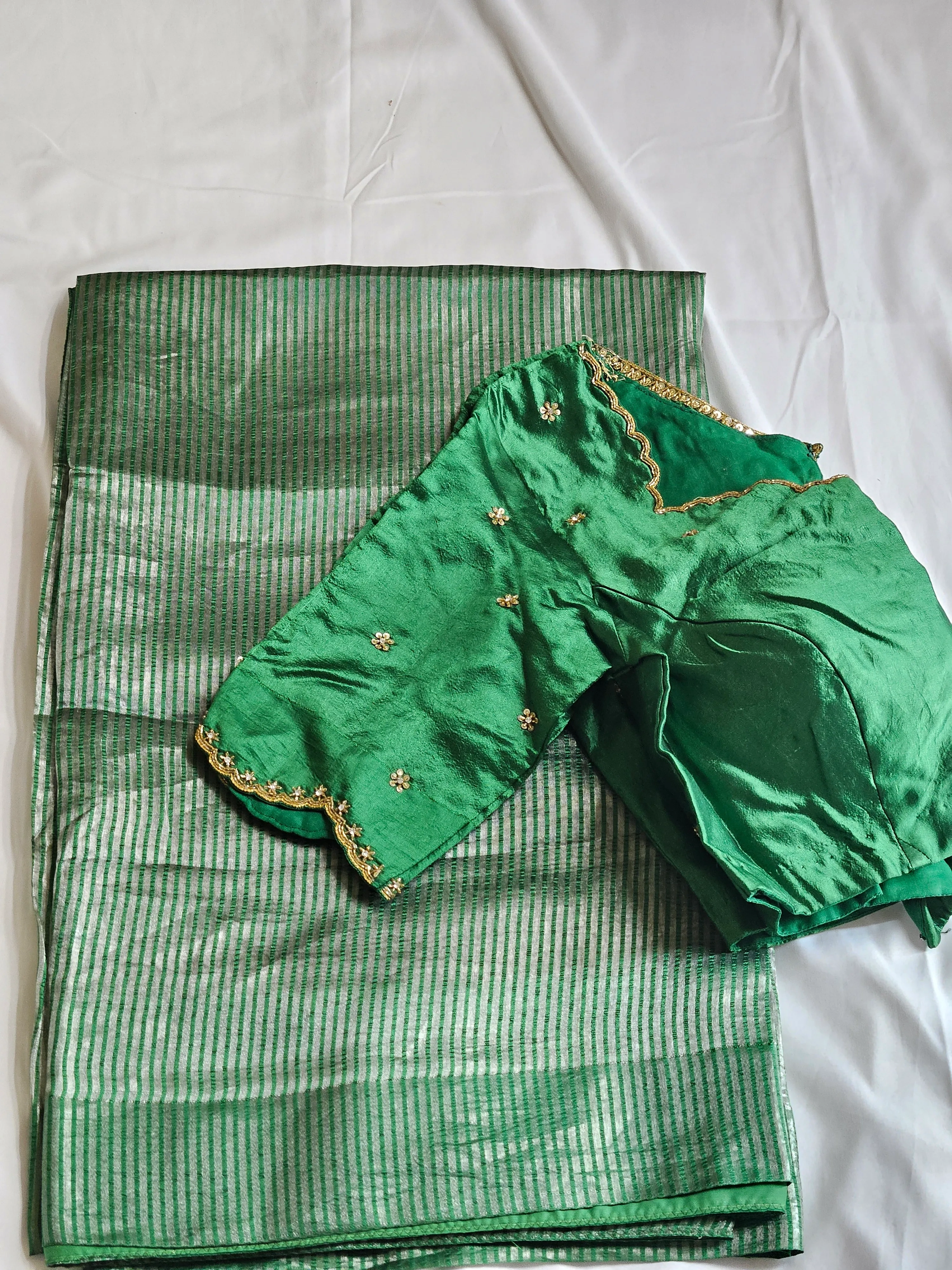
US Boutique or Direct: Pros and Cons Deep Dive
Shipping Time Comparison
- US Boutique: Most US-based boutiques offer 3-7 day delivery within the United States. Swathi Design, for example, ships domestically, so you avoid the uncertainty of international transit.
- Direct from India: International orders can take 2-4 weeks, particularly during peak wedding or festival season. Delays due to customs are common, especially for high-value items like handloom sarees.
Customs and Duties
- US Boutique: Duties are included in the price, and the seller handles all paperwork. You avoid surprise fees and can rely on local consumer protection laws.
- Direct from India: You (the buyer) are responsible for customs paperwork and paying duties, which can add 10-25% to your total cost. Packages can be held in customs; resolving issues may require time and effort.
Returns and After-Sale Support
- US Boutique: Returns are governed by US consumer law. Swathi Design, for example, accepts returns for damaged items within 48 hours (with video proof). Local support teams provide clarity on alterations and after-sale care.
- Direct from India: Return shipping is often at your expense and may involve long delays. Recourse is limited if the item is not as described or arrives damaged.
Selection vs Convenience
- US Boutique: Boutiques like Swathi Design curate their saree collections for quality, authenticity, and current trends—ideal if you want assurance of GI-tagged handloom, and ready US delivery.
- Direct from India: Wider selection, including rare regional weaves, but variable quality and authenticity. Vetting sellers is essential; not all claim to source from master weavers are verifiable.
After-Sale Alterations
- US Boutique: Many offer petticoat stitching or minor alterations locally, with the option for further tailoring at US dry cleaners or tailors familiar with Indian wear.
- Direct from India: Alterations must be handled after arrival, often requiring extra time and cost. Communication about measurements or customizations can be challenging across time zones.
Spotting Authentic Banarasi Sarees
Not all Banarasi sarees are the same—machine-made imitations abound. Here’s how to verify authenticity:
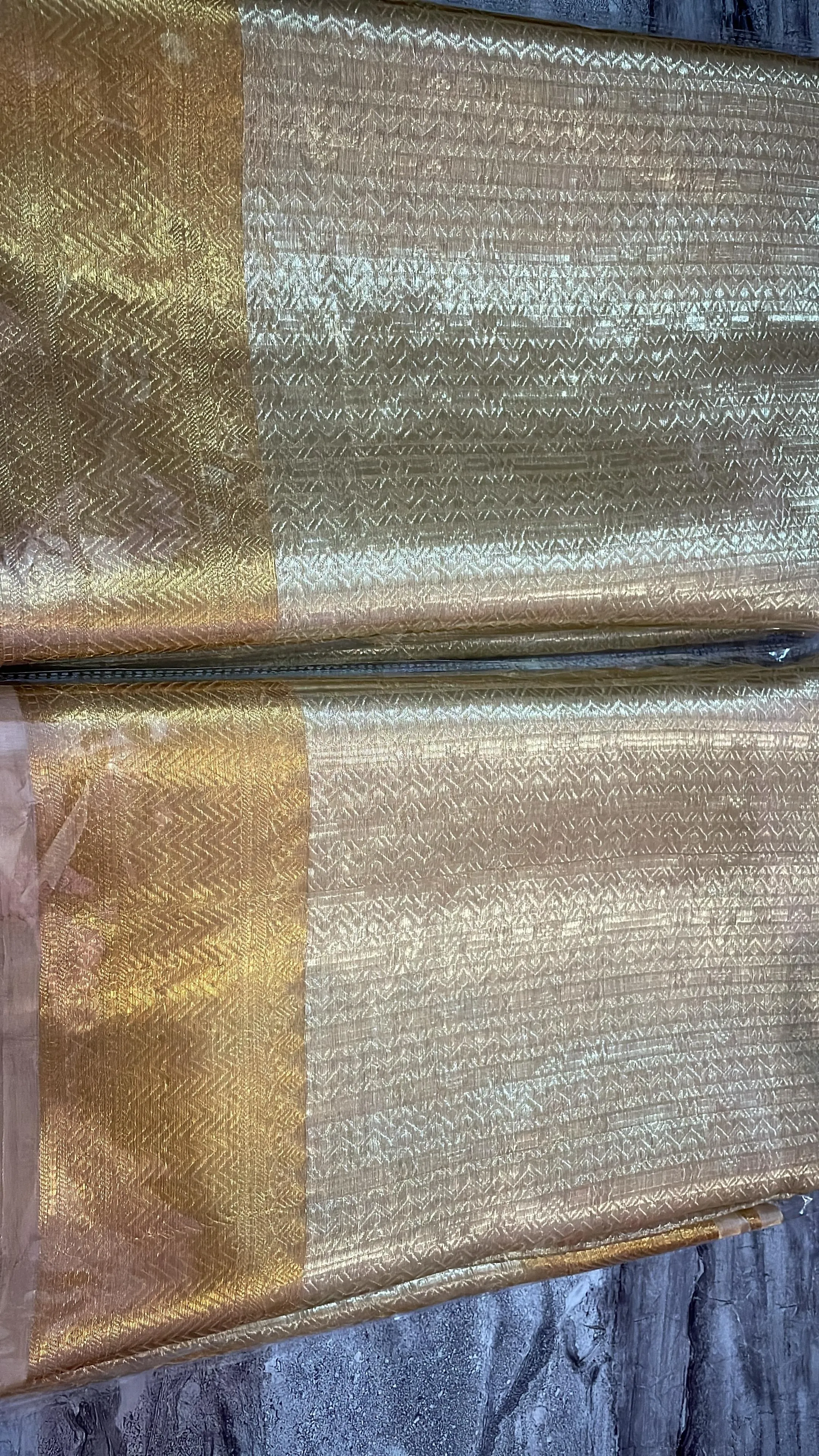
- Selvedge Test: Genuine Banarasi sarees have a contrasting selvedge (edge) woven with different color threads. This prevents fraying and is a mark of handloom work.
- Zari Thread: Real zari feels cool to the touch and does not break easily when rubbed. Imitation zari is lightweight and can snap under pressure.
- Motif Detailing: Handwoven motifs are slightly uneven on the reverse side; power-loom sarees look identical front and back.
When buying from a US boutique like Swathi Design, each saree’s provenance is vetted and the product description specifies whether it’s handloom. With direct orders, insist on clear photos of the reverse side of the pallu and border, and ask the seller to show the selvedge.
How to Care for Banarasi Tissue Sarees
- Dry Clean Only: Banarasi sarees with tissue or zari are delicate—dry cleaning preserves both color and metallic sheen.
- Muslin Storage: Wrap the saree in unbleached muslin to protect from humidity and tarnish. Never store in plastic; it traps moisture and can damage zari.
- Folding: Refold along different pleat lines every few months to prevent permanent creasing and zari breakage.
- Light Exposure: Store away from direct sunlight, as UV rays fade both silk and metallic threads.
Practical tip: If your saree develops a crease, gently steam from the reverse side, never directly on the zari. This prevents heat damage and preserves the fabric’s luster.
Why Choose Banarasi Tissue Sarees for Weddings?
Banarasi tissue sarees are the preferred choice for Indian-American weddings because their lightweight drape, metallic shimmer, and regal motifs evoke both celebration and comfort. The blend of silk or kora organza with real zari threads makes them easy to style for long ceremonies and receptions. With motifs like paisley and floral vines, they carry centuries of heritage—yet the luminous finish aligns with modern US event aesthetics.
The Pure Banarasi Silk Tissue Saree with Brocade for Weddings is especially suited for brides and key family members who want an elegant statement without the heavy weight of traditional silks. The Handwoven Banarasi Kora Tissue Wedding Saree is ideal for summer weddings, given its airy weave and muted radiance.
For more on saree weight and comfort, see our post: Saree Weight in Grams: What Buyers Should Know.
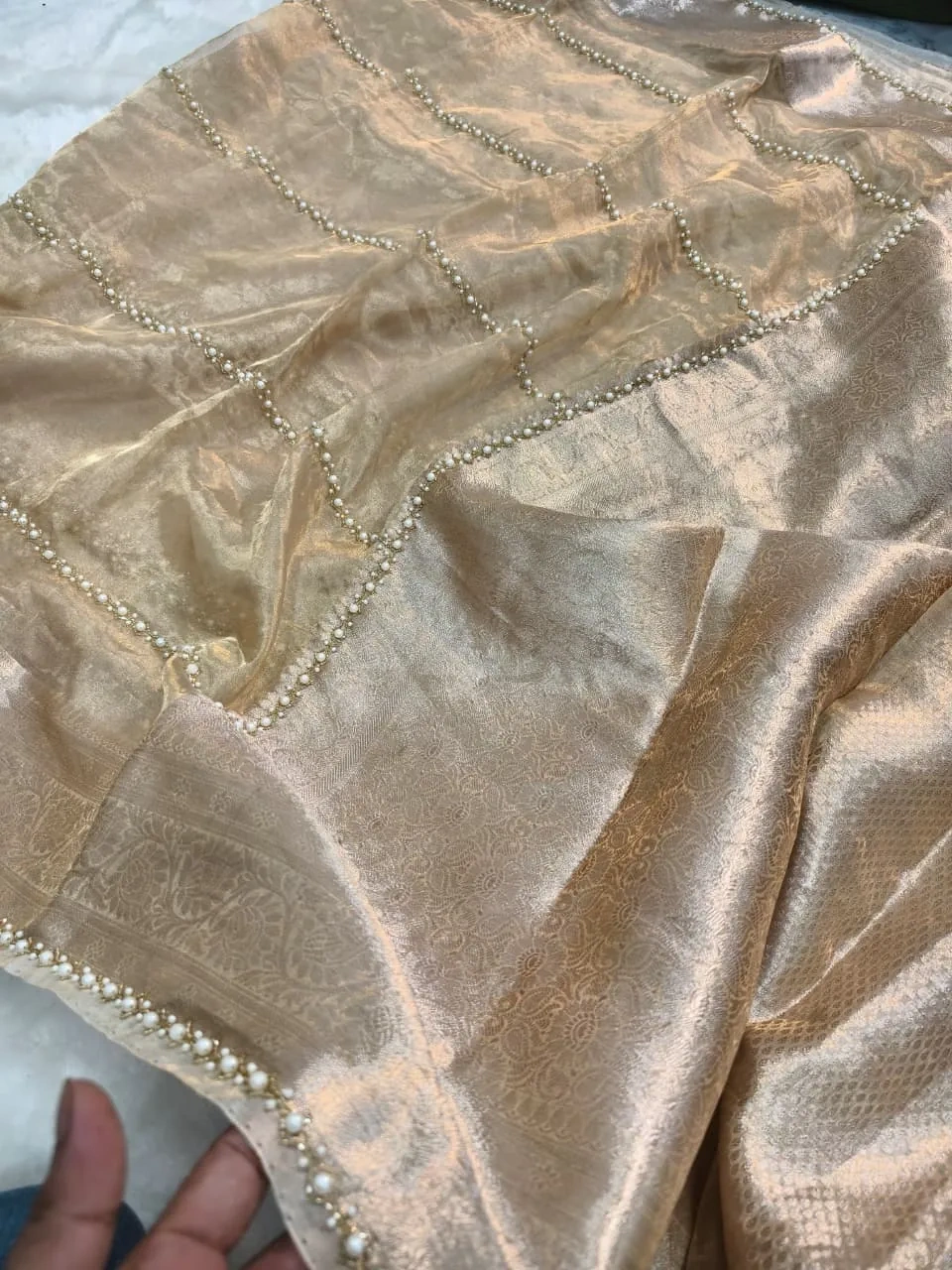
How to Style a Banarasi Tissue Saree for a US Wedding?
Styling a Banarasi tissue saree for a US wedding is about balancing tradition with your personal taste. Start by selecting a saree like the Luxurious Banarasi Tissue Saree, then pair with gold or kundan jewelry for a classic look. For a more fusion vibe, add statement earrings and a contemporary clutch. Keep makeup luminous but understated to let the saree’s sheen shine. Draping in classic pleats is always elegant, but you can experiment with the seedha pallu or butterfly drape for a modern silhouette. For more occasion-based styling, see our post One Saree, Three Occasions: A Styling Plan.
- Choose jewelry that complements—not competes with—the zari work.
- Opt for neutral or metallic footwear to enhance the saree's shimmer.
- A potli bag or box clutch works beautifully for both traditional and fusion outfits.
FAQ: US Boutique or Direct from India for Handloom Sarees
Is ordering direct from India cheaper after duties?
Ordering direct from India can appear cheaper on the sticker price, but after adding shipping and duties (often 10-25%), the savings may disappear. US boutiques include these costs in the retail price, so the difference is smaller than many buyers expect.
Who handles customs paperwork?
With a US boutique, the retailer manages all customs paperwork and you receive the saree as if you bought locally. Direct orders require you to deal with customs declarations, pay duties, and sometimes interact with US Customs if there are delays.
What recourse do you have if it arrives wrong?
US consumer law protects buyers when purchasing from a US boutique, with clear return policies and customer support. With direct orders, recourse is limited—returns involve international shipping and often no guarantee of refund or exchange unless the seller is reputable and cooperative.
How much longer does direct shipping take?
Direct shipping from India typically takes 2-4 weeks, depending on the courier, customs processing, and seller efficiency. US boutiques ship within the country, so delivery is usually 3-7 business days.
US Boutique or Direct from India: Which to Choose?
Choosing between a US boutique and ordering direct from India for your next Banarasi saree is a balance of speed, convenience, and support versus selection and price. If you need a saree quickly for an event, want guaranteed authenticity, or value after-sale support, a US boutique like Swathi Design is the prudent choice. If you seek rare weaves and are comfortable navigating customs and potential returns, direct import may suit you. For those weighing the full cost—beyond the price tag—read our deep dive: The Real Cost of a Saree, Beyond the Price Tag.
Shop the Collection
Ready to experience authentic Banarasi artistry from the comfort of your US home? Browse our full collection of handwoven sarees, including the Luxurious Banarasi Tissue Saree, Pure Banarasi Silk Tissue Saree, and Handwoven Banarasi Kora Tissue Wedding Saree. For styling help or questions about handloom authenticity, connect with our WhatsApp concierge—your saree journey deserves expertise and care.
Explore more options and details in our Sarees category.
Featured in this guide
Part of the Handwoven Silks: Chanderi, Tussar & Raw Mango guide collection.
Related guides
- Elevate Every Occasion: Handcrafted Indian Gowns & Frocks for Modern Celebrations in the USA
- Elevate Every Occasion: Pure Chanderi Pattu Silk Sarees for Indian-Americans in the USA
- Exquisite Russian Crape Silk Saree: Timeless Elegance for Every Occasion
- Luxurious Pure Russian Crape Saree: Timeless Elegance for Every Occasion
- Elevate Your Festive Wardrobe with Exquisite Handwoven Chanderi Sarees and Anarkali Dresses