Bridal Saree Colours Beyond Red: A US Guide
Thinking beyond classic red for your bridal saree? This guide covers ivory, gold, pastel, and jewel tones with expert advice on tradition, family expectations, lighting for US venues, and which shades you’ll actually re-wear. Find real product picks and styling tips from Meera Shah for every wedding event.
Bridal Saree Colours Beyond Red: A US Guide
Here’s the answer upfront: You absolutely can — and, for many, should — consider bridal saree colours beyond red. Ivory, gold, pastels, and jewel tones are all beautifully appropriate for Indian-American weddings, both for brides and guests. The best choice balances tradition, family expectations, and how the colour photographs at US venues. Below, I’ll help you navigate occasion-by-occasion, with real Swathi Design sarees for every budget and style.
Why choose bridal saree colours beyond red?
Many Indian brides in the US want a personal, meaningful, and re-wearable look for their wedding. Choosing a bridal saree colour beyond red allows you to reflect your taste, suit your event’s mood, and create memorable photos under Western lighting. You’ll find that ivory, gold, pastels, and jewel tones all carry rich tradition — and can be re-styled for future occasions.
What is the significance of bridal saree colours?
Bridal saree colours are traditional hues chosen for their cultural meaning. Red symbolizes prosperity and fertility, but shades like gold (auspiciousness), ivory (purity), and green (new beginnings) are equally rooted in Indian wedding customs. Many regions embrace non-red bridal sarees for rituals, particularly in South and East India.
How to Choose the Right Bridal Saree Colour
- Venue Lighting: US ballrooms and outdoor venues have cooler, brighter lighting. Ivory and gold sarees glow softly, while deep jewel tones (emerald, sapphire) pop in photos. Some pastels may look washed out unless you choose rich fabrics with a metallic sheen.
- Family Traditions: Ask elders about musts versus preferences. Many families are open to modern interpretations, especially for pre-wedding events.
- Re-wear Potential: Ivory, gold, and jewel tones can be worn again for anniversaries or formal events; bold reds may feel too bridal after the wedding.
- Personal Style: If you love a colour, you’ll wear it with confidence — and that always looks best in the photos.
Bridal Saree Colour Comparison Table
| Colour Family | Tradition | Best For | Re-wearability |
|---|---|---|---|
| Red | Classic North Indian | Main wedding, religious rituals | Low |
| Ivory/Gold | South & East Indian, modern | Reception, day weddings | High |
| Pastel | Contemporary, fusion | Sangeet, engagement, outdoor | Medium–High |
| Jewel Tones | Traditional, festive | Mehendi, evening events | High |
Real Saree Picks for Each Wedding Occasion
Let’s start with a scenario: You’re attending a US Indian wedding weekend — Mehendi, Sangeet, and Reception. Here’s how to plan your looks using Swathi Design sarees that move beyond red, with styling tips for guests and family.
Mehendi: Colourful and Comfortable
Mehendi events invite playful, vibrant shades. Jewel tones and pastels shine here — they’re practical for long hours and safe from accidental henna stains.
- Do: Choose sarees with lightweight tissue or kora fabric. These allow for easy movement, and the subtle sheen photographs beautifully.
- Don’t: Wear heavy silk or tight blouses; comfort is key for sitting and mingling.
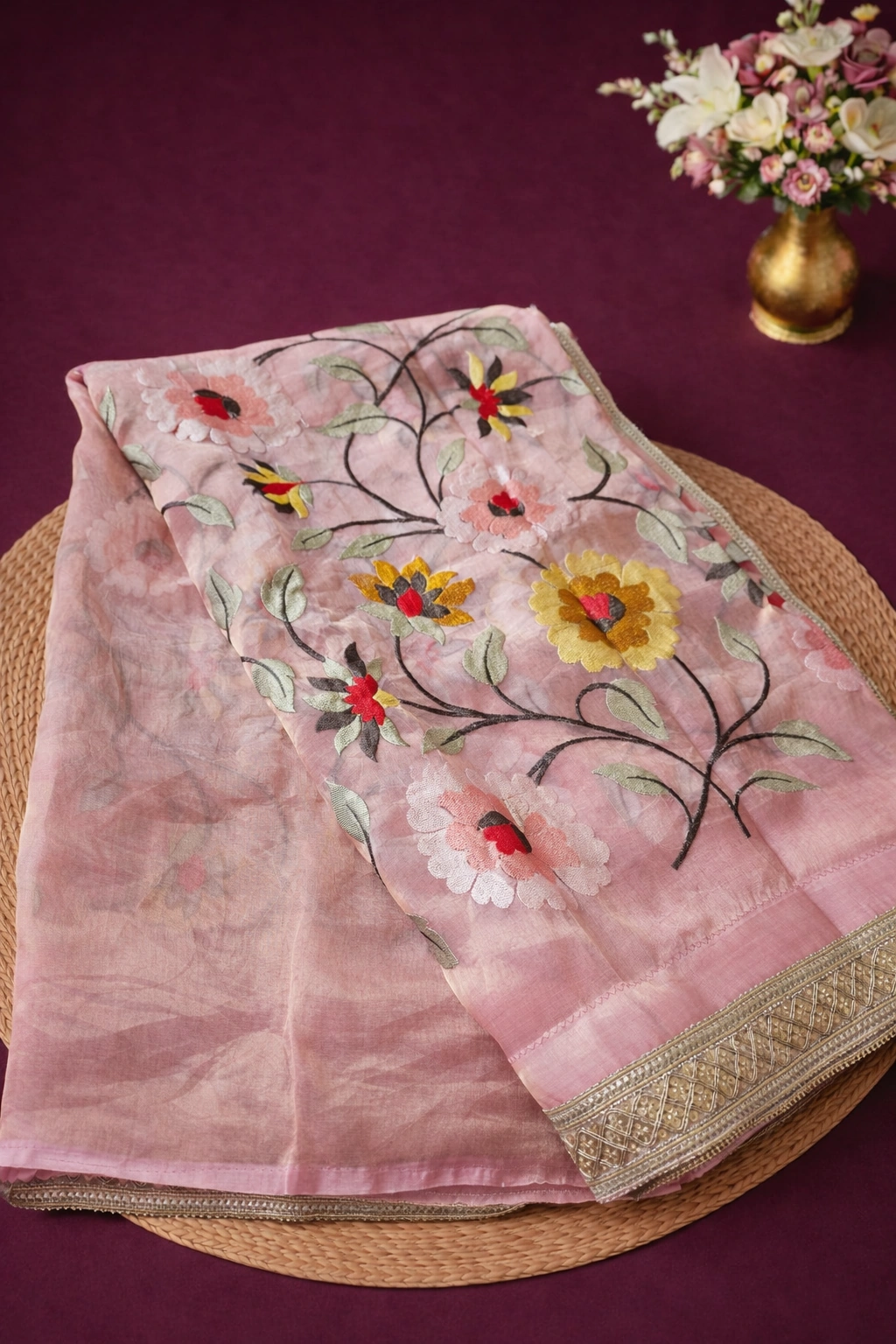
Consider the Pure Banarasi Kora Tissue Embroidery Saree (price confirmed on inquiry). Its luminous finish and delicate embroidery make it festive but breathable. Style with minimal jewelry and open hair for a relaxed, modern look. Bonus: Kora tissue is famously easy to drape, and this style’s rich motifs won’t compete with mehendi designs.
Sangeet: Bold, Glamorous Statement
Sangeet is your moment to embrace bold colour — think jewel tones, metallics, or two-tone pairings for high-energy dance floors and stage lighting.
- Do: Opt for embroidery or maggam work for a dramatic effect. Pair with statement earrings and a sleek bun.
- Don’t: Over-accessorize if your saree is already ornate. Let the blouse or pallu shine.
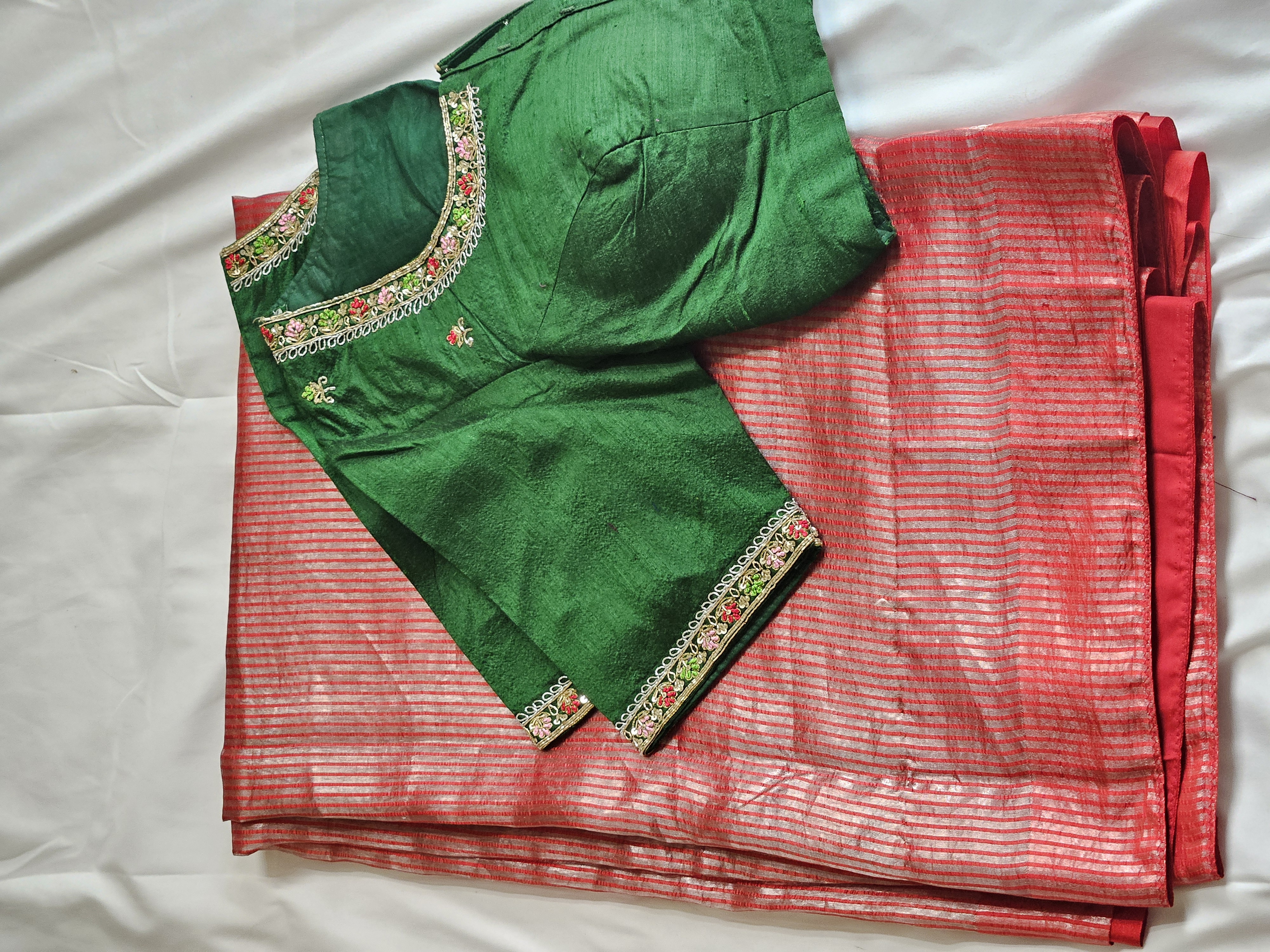
My pick: The Red Banarasi Tissue Saree with Green Maggam Embroidered Blouse (price confirmed on inquiry). While technically red, the emerald green maggam blouse modernizes the look and sets it apart from bridal-red tradition. Tissue sarees from Banaras are celebrated for their gossamer texture and luminescent gold stripes — a technique perfected by artisans since the Mughal era (see the Varanasi Handloom Weavers’ Cooperative for details). Gold jewelry, Kolhapuri wedges, and a bold red bindi complete the ensemble.
Reception: Ivory, Gold, or Pastel Elegance
The reception is a chance to wear lighter, ethereal shades that glow under ballroom or outdoor lighting. Ivory, gold, and pastels — especially with tissue or organza — are on-trend and timeless.
- Do: Pick sarees with metallic zari or subtle embroidery for a regal touch.
- Don’t: Pair with clashing accessories; stick to gold or pearl tones for a classic finish.
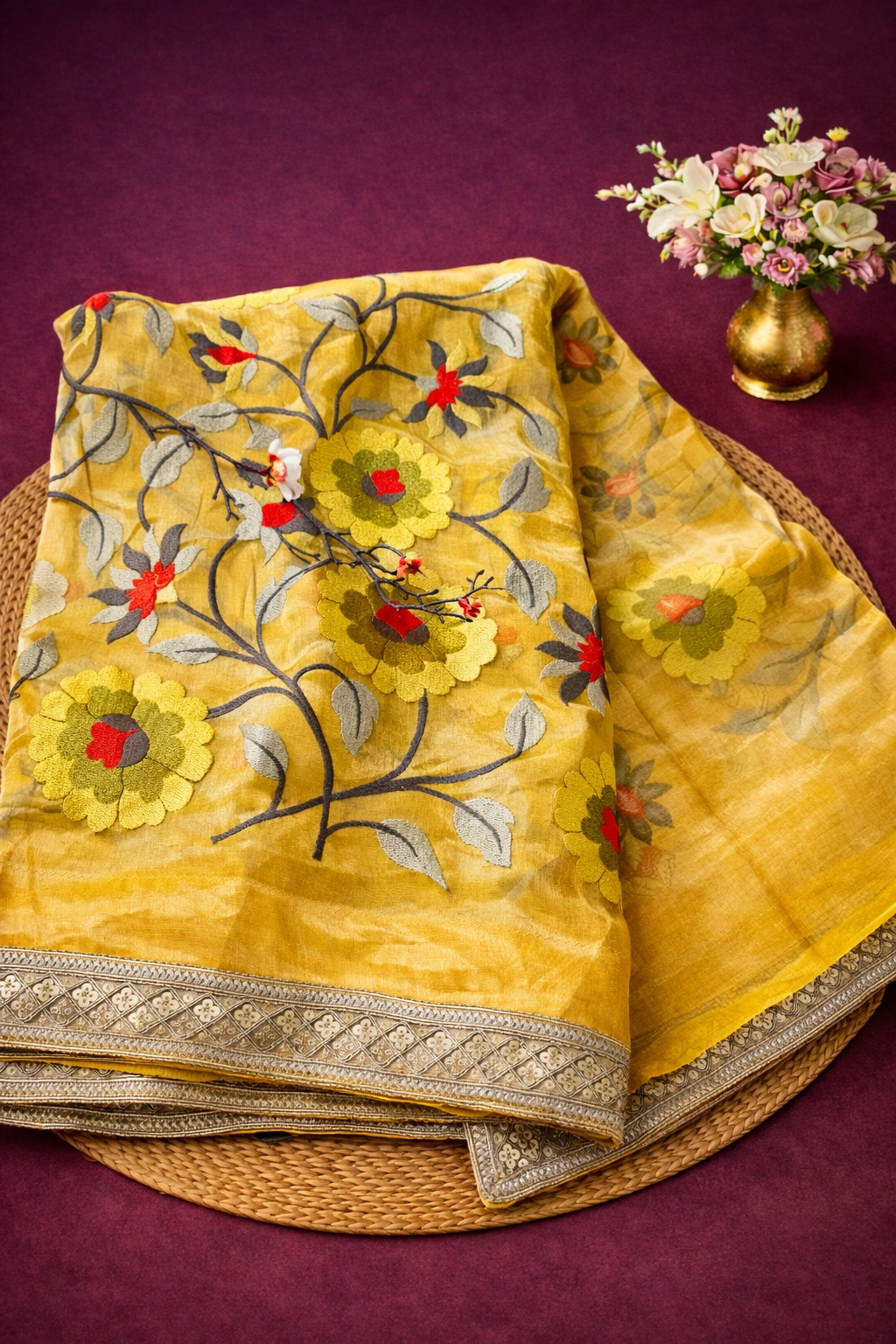
The Handwoven Pure Banarasi Kora Tissue Embroidery Saree – Gold Elegance for Weddings (price confirmed on inquiry) is a standout. Handwoven in Banaras using Kora tissue, it’s feather-light and has a gold luster that photographs beautifully even in cool LED lighting. Pair with a sleeveless silk blouse and heirloom kundan jewelry. This saree is not just for the bride — it’s a sophisticated pick for mothers of the couple or special guests who want a regal, but not overpowering, look.
Budget Tier Guide: Saree Picks by Price
- Under $100: Look for art silk or blended tissue sarees in contemporary colours on sale. Ideal for secondary events or if you plan to re-wear often.
- $100–$300: Authentic Banarasi tissue or kora sarees like the ones above offer handwoven artistry and versatile styling. This is the sweet spot for most US wedding guests and family.
- $300+: Pure silk Kanjivarams or custom maggam embroidery sarees are best for the bridal party or key family members. For more on gifting and value, see our post on milestone saree gifts.
Criteria: What to Look for in a Bridal Saree Beyond Red
- Fabric Quality: Pure Banarasi tissue and kora are prized for drape and sheen. Look for fine zari and authentic handloom tags.
- Colour Under Lighting: Ask your stylist for photos of the saree in both daylight and indoor light. Pastels and golds can look very different under chandeliers versus sunlight.
- Workmanship: Hand-embroidery (maggam, zardozi, or gota patti) adds depth. Inspect threadwork for neatness and density.
- Comfort and Weight: Tissue sarees are lighter than classic silks, making them ideal for all-day events.
- Care: Always dry clean, and store in muslin to avoid snags or tarnish. Learn the full checklist in our post on what to check when your saree arrives.
How to Style a Gold Tissue Bridal Saree for a US Reception?
To style a gold tissue bridal saree for a US reception, pair the saree with a tailored silk or maggam blouse in a pastel or jewel tone for contrast. Add gold or kundan jewelry, a sleek low bun, and classic heels. Tissue sarees photograph best under cool lighting, so keep makeup glowy and avoid harsh contouring. Carry a pearl or metallic clutch for a modern touch.
FAQ: Bridal Saree Colours Beyond Red
Is it acceptable for an Indian bride not to wear red?
Yes, it is absolutely acceptable for Indian brides to choose saree colours beyond red. Across India, brides wear ivory, gold, green, and even blue or pink depending on region and family tradition. In the US, families are increasingly open to personal colour choices, especially for receptions and pre-wedding events.
Do pastels photograph well indoors?
Pastel sarees can photograph beautifully indoors if the fabric has a metallic or sheer finish, like tissue or organza. Avoid matte, flat pastels in low light — they may appear washed out. Ask your photographer to test-shot your saree under the venue’s lighting in advance for best results.
Which bridal colours can be re-worn later?
Ivory, gold, and jewel-tone sarees are the most re-wearable bridal options. You can style them for anniversaries, formal events, or as a guest at future weddings. Red sarees, while classic, often feel too bridal for later use unless paired with a different blouse and accessories.
How do families usually react to non-traditional colours?
Family reactions to non-traditional bridal saree colours vary. Many families now welcome modern colour choices, especially for US-based weddings. Open conversations about meaning and tradition often help; some families may encourage at least one red element, such as a dupatta, for rituals.
Styling Mistakes to Avoid
- Don’t: Wear a heavy, dark red saree for every event — reserve bold reds for the wedding ceremony if you want that classic moment.
- Don’t: Neglect the blouse — a modern maggam or silk blouse in a contrasting colour can completely transform a traditional saree.
- Don’t: Forget comfort. If you’re new to tissue sarees, practice draping before the big day for best results.
Where to Find Authentic Banarasi and Tissue Sarees in the US
Swathi Design sources directly from artisan weavers in India, offering a curated range of Banarasi, tissue, and maggam-embellished sarees shipped from California. Their concierge service confirms pricing, and you’ll get 48 hours to report any damaged items with video proof. For styling help, their WhatsApp team can suggest blouse pairings and accessory options based on your event.
You can explore the full Sarees collection for more options across every colour family.
Shop the Collection
Ready to choose your perfect saree colour beyond red? Browse our full collection for authentic Banarasi tissue, kora, and maggam work sarees in every shade. For styling advice tailored to your event, message our team — and step into your next celebration with confidence.
Featured in this guide
Part of the Indian Wedding & Festive Dressing guide collection.
Related guides
- Chanderi Silk Suits in USA: Embrace Ethnic Grace for Weddings & Festive Occasions
- Elevate Your Festive Wardrobe: Stunning Indian Dresses for US Weddings & Celebrations
- Celebrate Indian Heritage in the USA: Pure Silk Gowns for Weddings & Festive Glamour
- Elevate Your Wedding Look with Exquisite Pure Banarasi Kora Tissue Sarees
- Timeless Elegance: Discover the Pure Banarasi Kora Tissue Saree Collection for Weddings & Festivals