Saree vs Lehenga for Weddings: Comfort, Style & Event Guide
Saree vs lehenga for wedding guests is a classic style debate—each offers a unique blend of tradition, comfort, and flair. Explore the best option for sangeet, ceremony, or reception with our detailed comparison table, styling tips, and expert insights for Indian-Americans in the US.
Saree vs Lehenga for Wedding: The Ultimate Guest's Guide
Choosing between a saree and lehenga for a wedding is about more than style—it's about comfort, cultural significance, and the mood of the event. If you’re attending an Indian wedding in the US, especially as an Indian-American guest, knowing what works best for sangeet, ceremony, and reception can help you look and feel your best. Below, we break down the pros and cons of two stand-out pieces from Swathi Design: the Pure Chanderi Pattu Silk Saree and the Handcrafted Indian Wedding Lehenga Gown in Pure Georgette.
Saree vs Lehenga: Quick Comparison by Event
| Event | Saree (Chanderi Pattu Silk) | Lehenga Gown (Pure Georgette) |
|---|---|---|
| Sangeet | Elegant, traditional; requires confident draping | Easy movement for dancing; contemporary flair |
| Ceremony | Regal, formal; classic for rituals | Less traditional, but suited to modern ceremonies |
| Reception | Graceful, versatile; pairs with bold blouses | Effortless glamour; comfortable for long hours |
| Comfort | Lightweight, breathable; requires draping skill | Slip-on ease, unrestricted movement |
| Budget | $230 | $38 |
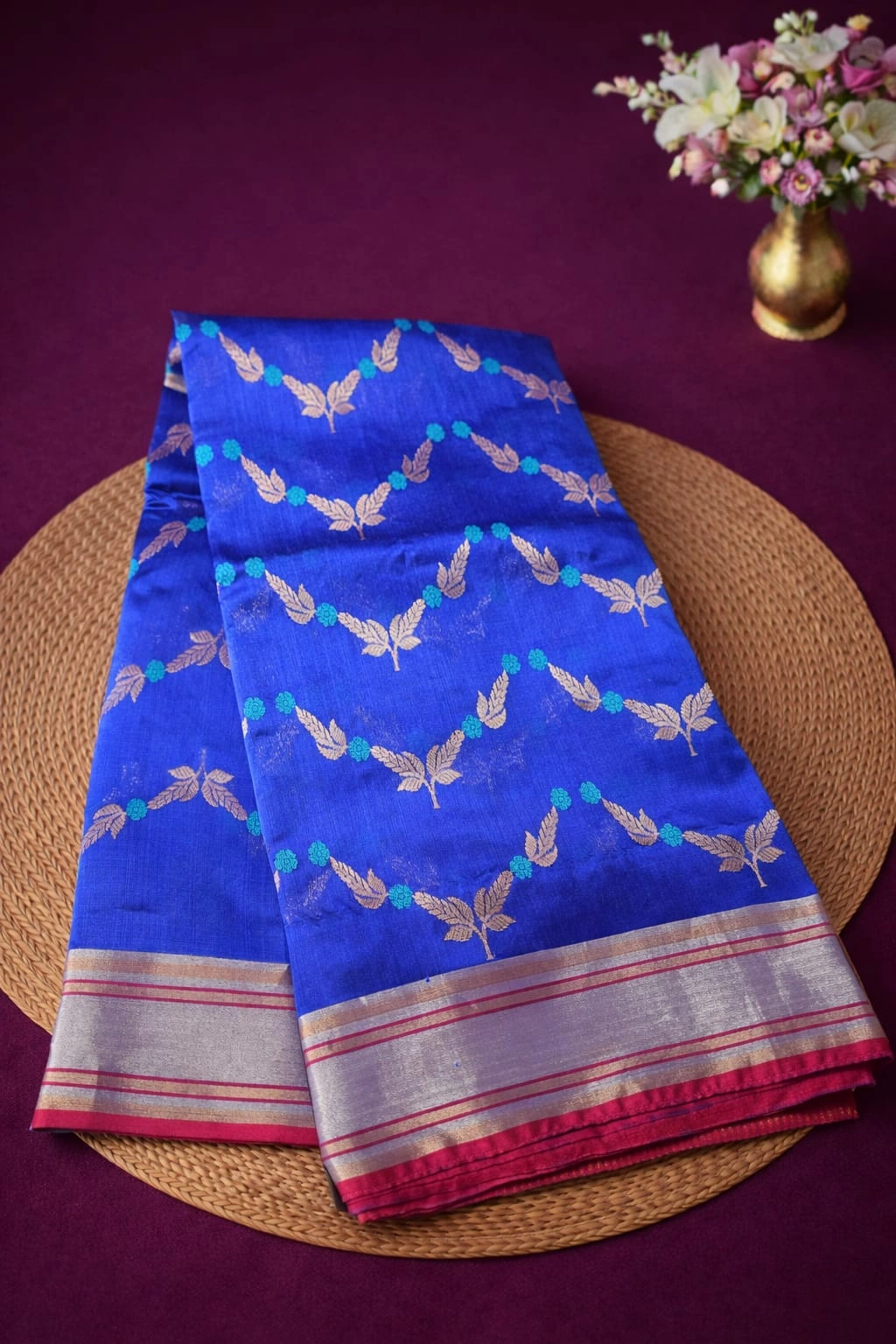
What is the Difference Between a Saree and a Lehenga?
Definition Snippet: A saree is a long, unstitched fabric—typically 5 to 9 yards—draped around the body and paired with a blouse and petticoat, while a lehenga is a tailored skirt set, usually with a fitted blouse (choli) and a dupatta. The former is rooted in ancient Indian draping traditions; the latter evolved as North Indian royal court attire.
The Pure Chanderi Pattu Silk Saree: Handwoven Opulence
The Pure Chanderi Pattu Silk Saree stands out for Indian-American wedding guests seeking tradition and understated luxury. Chanderi weaves hail from Madhya Pradesh, celebrated for their sheer, feather-light silk and subtle shimmer. This handloom saree is crafted by regional artisan weavers, using the signature pattu (pure silk) warp and weft, interlaced with delicate zari (metallic thread) work. Each motif often draws from Mughal and Rajput influences, with peacocks, florals, or geometric forms layered into the design.
Why does this matter? Chanderi’s unique weaving method creates a saree that drapes softly yet holds its shape, perfect for ceremonies where photographs are inevitable. The silk breathes well, making it comfortable for multi-hour rituals or crowded venues. The price point ($230) reflects not just fabric cost, but the meticulous labor—one saree can take a week to finish by hand.
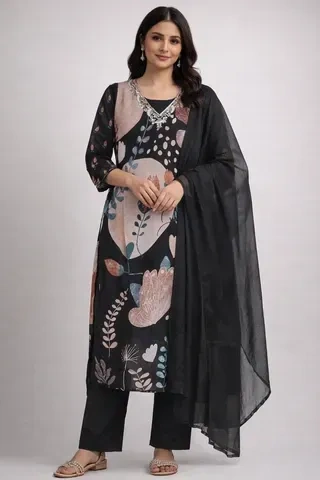
- Best For: Ceremony, reception, formal rituals
- Body Type: Universally flattering—draping can be adjusted for petite, tall, or curvy figures
- Pairing Tip: For a wedding, style with a brocade or silk blouse (see our blouse design guide) and temple jewelry. For lighter events, opt for minimalist studs and a sleek bun.
- Useful Tip: If you’re new to sarees, try pre-pleating and pinning the pallu before you arrive—this ensures neat pleats and more comfort during long ceremonies.
- Care: Dry clean only. Store folded in muslin away from sunlight to preserve sheen.
The Handcrafted Georgette Lehenga Gown: Modern Ease
The Handcrafted Indian Wedding Lehenga Gown in Pure Georgette reimagines the classic lehenga for the US diaspora. Georgette, a crepe-textured silk or synthetic blend, is prized for its lightness and fluidity. This gown is cut for effortless movement—dance the sangeet away or navigate a buffet line without adjusting pleats. Hand embroidery, echoing traditional zardozi motifs, adds regal impact without the weight of heavy silks or velvets.
Unlike a conventional lehenga with a separate skirt, blouse, and dupatta, this piece offers a one-piece gown silhouette—easy to slip on, universally approachable for guests who may not be familiar with Indian tailoring. At $38, it’s a budget-friendly statement, especially for those who attend multiple events each season.
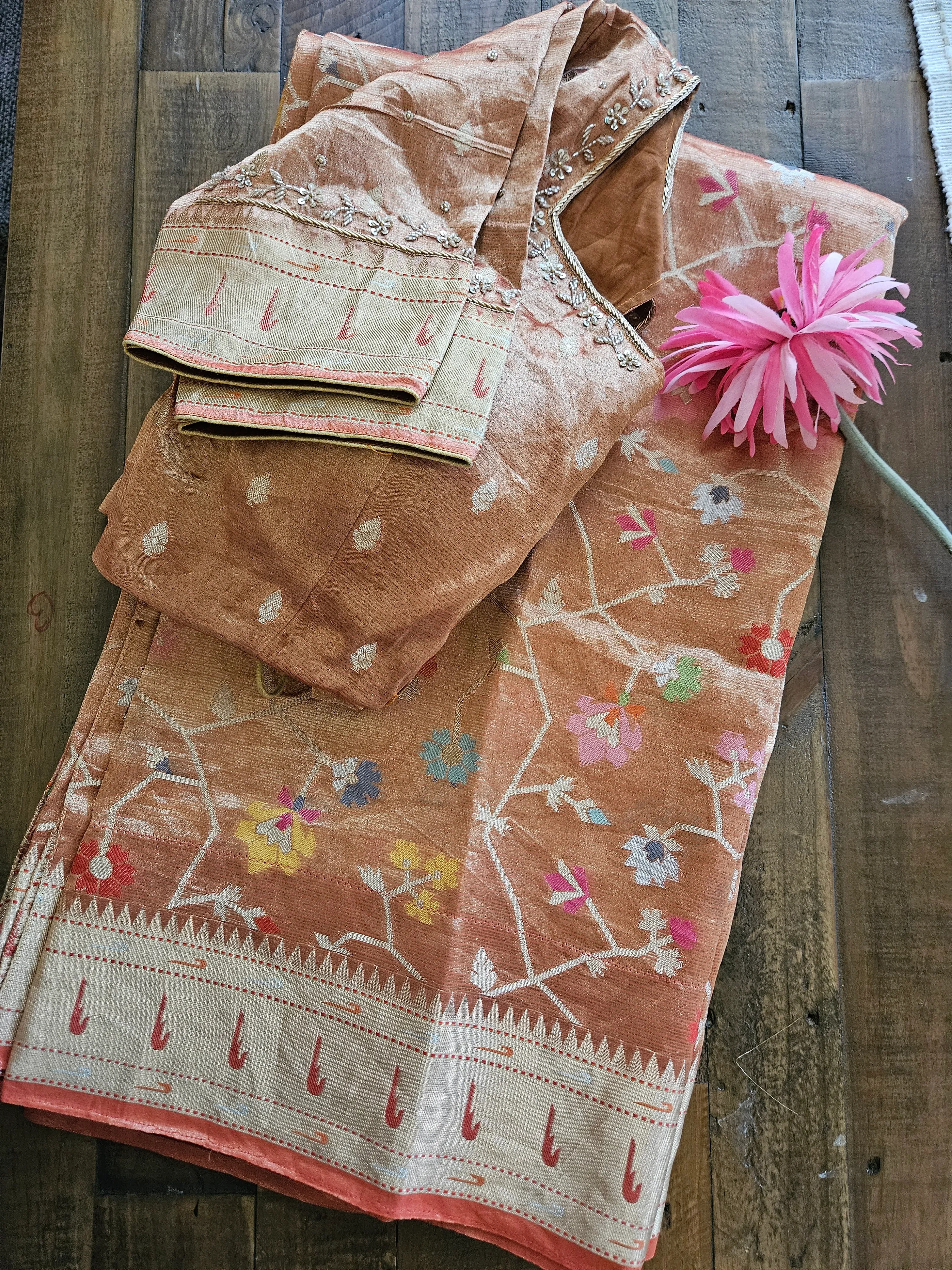
- Best For: Sangeet, reception, cocktail events
- Body Type: Flattering A-line cut suits most frames; check bust/waist sizing for tailored fit
- Pairing Tip: Layer bold earrings and metallic heels for a festive look; a silk clutch adds polish. For understated elegance, pair with a simple chain and low bun.
- Useful Tip: If you’re dancing, add fashion tape to secure shoulder seams and prevent shifting.
- Care: Gentle hand wash or dry clean. Store flat to avoid embroidery snags.
Pros and Cons: Saree vs Lehenga in Wedding Contexts
- Saree Pros: Traditional, adaptable drape, formal for all ceremonies, works with wide range of blouses, ideal for classic photo moments.
- Saree Cons: Requires draping skill (ask a friend or use WhatsApp for Swathi’s styling help), can loosen with movement, pricier than typical guest attire.
- Lehenga Pros: Slip-on ease, maximum comfort for dancing or mingling, budget-friendly, contemporary styling, minimal adjustments needed.
- Lehenga Cons: Less traditional for main rituals, may not suit ultra-formal temple weddings, limited blouse styling options compared to saree.
How to Choose: Saree vs Lehenga for Wedding Guests
To choose between a saree and lehenga for weddings, consider the event type, your comfort with draping, and your personal style. Sarees like Chanderi Pattu Silk offer classic elegance and suit all ages, while lehenga gowns in georgette are ideal for effortless movement and modern flair. Budget and confidence in wearing traditional drapes also play a role.
- Check the Dress Code: For traditional South Indian or religious ceremonies, sarees are often preferred. For fusion or North Indian receptions, lehengas are equally accepted.
- Assess Comfort Needs: If you’re dancing or have young kids, a lehenga gown means fewer wardrobe worries. For long rituals, a lightweight saree (like Chanderi or Kota) stays cool.
- Match to Body Type: Sarees allow personalized draping for any shape; lehenga gowns offer a tailored fit but check bust/waist before ordering online.
- Budget: Sarees with artisanal weaving (like Swathi’s Chanderi) are an investment; georgette lehenga gowns offer high value for frequent wear.
- Practical Tip: For US-based guests, confirm event formality with the host or check the invitation for cues—temple venues often expect sarees, while hotel ballrooms welcome modern lehengas.
Expert Styling Tips: How to Stand Out
For the Chanderi Pattu Silk Saree, select a blouse with a modern neckline or back cutout for a youthful twist—see our blouse neck design guide for inspiration. Pair with South Indian temple jewelry or oxidized silver for a cross-cultural look. For the Georgette Lehenga Gown, match bold earrings with embellished footwear for sangeet, or keep it subtle with pearl studs for daytime ceremonies. Always secure dupattas or scarves with discreet safety pins for peace of mind.
Saree vs Lehenga for Different Body Types
Sarees like Chanderi Pattu Silk are universally flattering, thanks to customizable drape. Petite guests can pleat tightly and pin high for a lengthening effect; curvy figures can opt for open pallu draping to balance proportions. Lehenga gowns offer a cinched waist and gentle flare, ideal for those who prefer structure or want to highlight the bust/waist. Always check measurement charts—Swathi Design offers WhatsApp support for sizing guidance before purchase.
Cultural and Historical Context
Chanderi weaving dates back to the 13th century, with distinct silk and cotton blends prized by Mughal rulers and Rajput nobility. Kota sarees, originating in Rajasthan, are known for their 'khat' (square) checks and airy texture—see Swathi’s Exquisite Handwoven Zari Kota Saree for an alternative. Meanwhile, the lehenga’s roots lie in Mughal court attire, evolving over centuries into the modern gown silhouette—an accessible choice for diaspora weddings, especially in North American settings.
FAQs: Saree vs Lehenga for Wedding
Is a saree or lehenga better for a wedding?
Paragraph Snippet: Both sarees and lehengas are excellent wedding choices. Sarees offer a timeless, formal look for ceremonies, while lehengas—especially gown styles—are practical and festive for sangeets or receptions. The best option depends on the event type, your comfort, and personal style. Consult the invitation or family for specific dress code expectations.
Which is more comfortable, saree or lehenga?
Lehenga gowns are typically more comfortable for extended wear and dancing, as they require no pleating or pinning. Lightweight sarees like Chanderi or Kota are also comfortable but need careful draping, especially for new wearers. Both can be worn all day if styled properly; consider fabric and event duration when choosing.
What suits which body type, saree or lehenga?
Sarees, especially in soft silks like Chanderi, adapt to every body shape by adjusting pleats and pallu drape. Lehenga gowns in A-line cuts suit most figures and are ideal for highlighting the waist. For petite frames, avoid overly voluminous lehengas; for taller bodies, experiment with bold blouse styles or longer dupattas.
Can a guest wear a lehenga to an Indian wedding?
Yes, wedding guests can absolutely wear lehengas—especially for sangeet, mehendi, or reception events. For main religious ceremonies, check with the host or elders, as some traditions may prefer sarees. Gown-style lehengas are popular among Indian-American guests for their ease and festive flair.
Best Accessories and Care Tips
- For sarees: Invest in a set of stainless steel saree pins and a petticoat with a sturdy drawstring. For a modern twist, add a belt over the pallu.
- For lehenga gowns: Choose a supportive inner slip to prevent static, and use a garment steamer to refresh embroidery before events.
- Always follow care labels—dry clean silks, hand wash georgette, and store with silica gel packets to avoid moisture damage.
Related Resources
- Compare more styles in our wedding reception outfit guide
- Browse the full sarees or dresses collection for more options
Shop the Collection
Ready to choose your wedding guest look? Explore the Pure Chanderi Pattu Silk Saree for timeless elegance, or the Handcrafted Indian Wedding Lehenga Gown in Pure Georgette for modern flair. Prefer more options? Browse our full collection and take advantage of Swathi Design’s US-based support, flat-rate shipping, and personal styling help via WhatsApp. Whichever you pick, saree vs lehenga for wedding comes down to tradition, comfort, and your unique story—wear it with pride.
Featured in this guide
- Pure Chanderi Pattu Silk Saree – Handwoven Luxury for Weddings & Celebrations
- Handcrafted Indian Wedding Lehenga Gown in Pure Georgette
- Exquisite Handwoven Zari Kota Saree for Weddings & Festive Wear
- Blush Pink Mul Cotton Ethnic Dress with Floral Embroidery
- Deep Purple Ombre Mirror Work Mul Cotton Frock with Ruffle Hemline
Part of the Indian Wedding & Festive Dressing guide collection.
Related guides
- Chanderi Silk Suits in USA: Embrace Ethnic Grace for Weddings & Festive Occasions
- Elevate Your Festive Wardrobe: Stunning Indian Dresses for US Weddings & Celebrations
- Celebrate Indian Heritage in the USA: Pure Silk Gowns for Weddings & Festive Glamour
- Elevate Your Wedding Look with Exquisite Pure Banarasi Kora Tissue Sarees
- Timeless Elegance: Discover the Pure Banarasi Kora Tissue Saree Collection for Weddings & Festivals