Kanjivaram vs Banarasi Silk Sarees: Which Shines for Weddings?
Compare Kanjivaram vs Banarasi silk sarees for weddings and festive occasions. We break down origins, weaving, zari, weight, drape, and price—plus expert tips to help Indian-American brides and saree lovers pick the perfect silk saree for their big day.
Kanjivaram vs Banarasi Silk Sarees: Quick Comparison
If you’re deciding between a Kanjivaram and a Banarasi silk saree for your wedding or special occasion, understanding their differences is essential. Both are icons of Indian textile heritage, but their origins, weaving techniques, motifs, and how they drape set them apart. Here’s a concise comparison to help you choose:
| Feature | Kanjivaram | Banarasi |
|---|---|---|
| Origin | Kanchipuram, Tamil Nadu (South India) | Varanasi, Uttar Pradesh (North India) |
| Weave | Heavy, interlocked pure mulberry silk | Fine silk or tissue with brocade (zari) work |
| Zari/Motifs | Temple borders, checks, peacocks, traditional motifs | Floral, Mughal-inspired, intricate buta, jaal |
| Weight | Heavier, structured drape | Lighter, softer drape |
| Price | $$$ (premium) | $$–$$$ (varies by zari and embroidery) |
| Best Occasions | South Indian weddings, formal ceremonies | North Indian weddings, festive events, parties |
Verdict: For grandeur, tradition, and a classic bridal look, Kanjivaram reigns supreme. For versatility, intricate patterns, and lighter drape, Banarasi silk offers unmatched charm—especially for Indian-American celebrations where comfort and style must balance.
What is a Kanjivaram Silk Saree?
Definition snippet: Kanjivaram silk saree is a traditional South Indian garment, handwoven in Kanchipuram, Tamil Nadu, from pure mulberry silk and real zari. Renowned for bold temple borders, rich colors, and durability, Kanjivarams are prized bridal heirlooms and are often passed down through generations.
Kanjivaram sarees have a 400-year legacy, originating from the temple town of Kanchipuram (Kanchi) in Tamil Nadu. According to the Tamil Nadu Handloom Weavers’ Cooperative Society, each saree is crafted on pit looms using high-twist silk yarns, interlocked borders, and authentic gold or silver zari. Wide borders, contrast pallus, and intricate motifs like peacocks, elephants, and checks set these sarees apart.
The texture is substantial, offering a structured drape ideal for formal occasions. The zari in authentic Kanjivarams is often made from silver threads dipped in gold, adding to their weight and price. Kanjivarams are the go-to choice for South Indian weddings, religious ceremonies, and milestone celebrations.
What is a Banarasi Silk Saree?
Definition snippet: Banarasi silk saree is a North Indian saree, handwoven in Varanasi (Banaras), using fine silk or tissue and embellished with ornate brocade, zari, and Mughal-inspired motifs. Banarasi sarees are celebrated for their light drape, intricate patterns, and festive elegance.
Originating from the historic city of Varanasi, Banarasi sarees are known for their luxurious feel and detailed designs. The weaving communities of Varanasi, especially the Ansari and Hindu weavers, have perfected brocade techniques over centuries. Motifs often include Mughal-inspired florals, paisleys, and Jaal work—delicate ‘net’ patterns that shimmer with every movement.
While pure silk Banarasis can be substantial, most have a lighter drape than Kanjivarams. The zari is often gold or silver-plated copper, lending brilliance at a range of price points. Banarasi sarees are a favorite for North Indian weddings, Diwali, and festive parties, offering style and comfort for long celebrations.
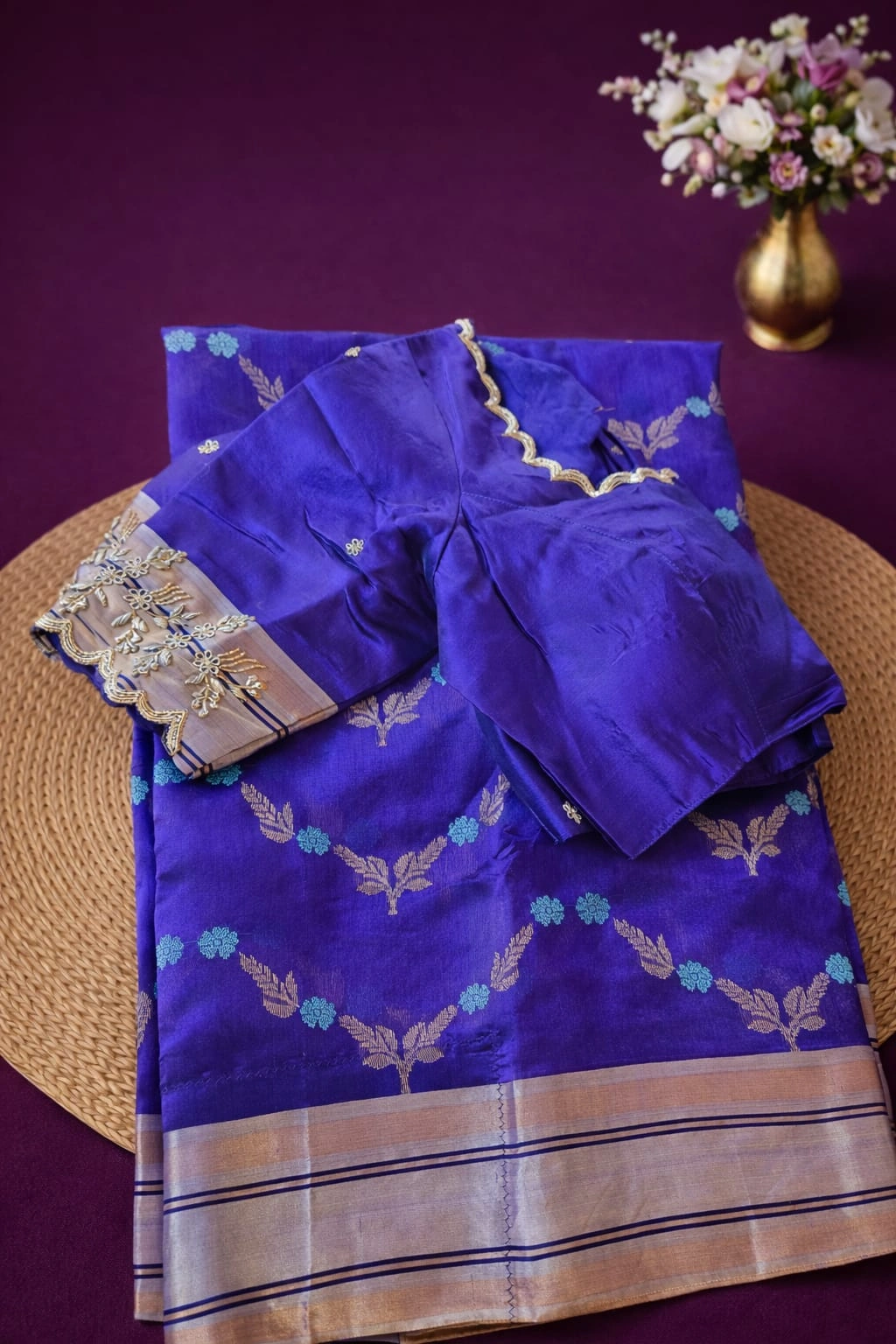
Kanjivaram Silk Saree: Pros, Cons & Styling Tips
Kanjivaram silk sarees are a statement of South Indian luxury and tradition. Here’s what to consider if you’re eyeing this classic:
- Pros:
- Unmatched durability—real mulberry silk and pure zari make Kanjivarams last generations.
- Rich, regal colors and bold borders—perfect for bridal and ceremonial attire.
- Structured drape flatters all body types and holds pleats beautifully.
- Prestige—recognized as cultural icons, often seen on Indian-American brides.
- Cons:
- Heavier to wear, especially for long events.
- High price point due to material and artistry.
- Requires careful storage and dry cleaning to maintain zari’s luster.
Styling Tips:
- Pair with temple or antique gold jewelry for a traditional bridal look.
- Opt for classic hairstyles like a bun adorned with jasmine or fresh flowers.
- Choose a contrast blouse with elbow sleeves for a timeless South Indian touch.
- For Indian-American receptions, try Kanjivaram with minimalist accessories and a sleek clutch for a modern spin.
Non-obvious tip: If you plan to wear your Kanjivaram for hours, drape it with a cotton petticoat in a matching color—the extra grip keeps the saree in place, even with heavy zari work.
Banarasi Silk Saree: Pros, Cons & Styling Tips
Banarasi sarees are prized for their versatility, shimmering patterns, and lighter feel. Here’s what makes them special:
- Pros:
- Lighter than Kanjivarams—comfortable for long celebrations or dancing.
- Intricate zari, brocade, and embroidery—offers stunning visual appeal.
- Wide range of designs from subtle to bold—suits all ages and tastes.
- More affordable options available without compromising on elegance.
- Cons:
- Some tissue and organza blends can be delicate—handle with care.
- Zari may tarnish if not stored properly.
- Doesn’t have the same structured fall as Kanjivaram, pleats can shift if not pinned well.
Styling Tips:
- Pair with contemporary jewelry—think polki or diamond sets for a fusion look.
- Experiment with blouse styles: high necks, sleeveless, or even cape blouses for evening events.
- Banarasi sarees with tissue or organza blends, like the Pure Banarasi Kora Tissue Embroidery Saree, work beautifully for outdoor summer weddings.
- For winter, layer with a velvet or brocade shawl in a complementary shade.
Non-obvious tip: When storing Banarasi sarees, wrap in acid-free tissue or a muslin cloth to prevent zari oxidation—avoiding plastic covers increases longevity.
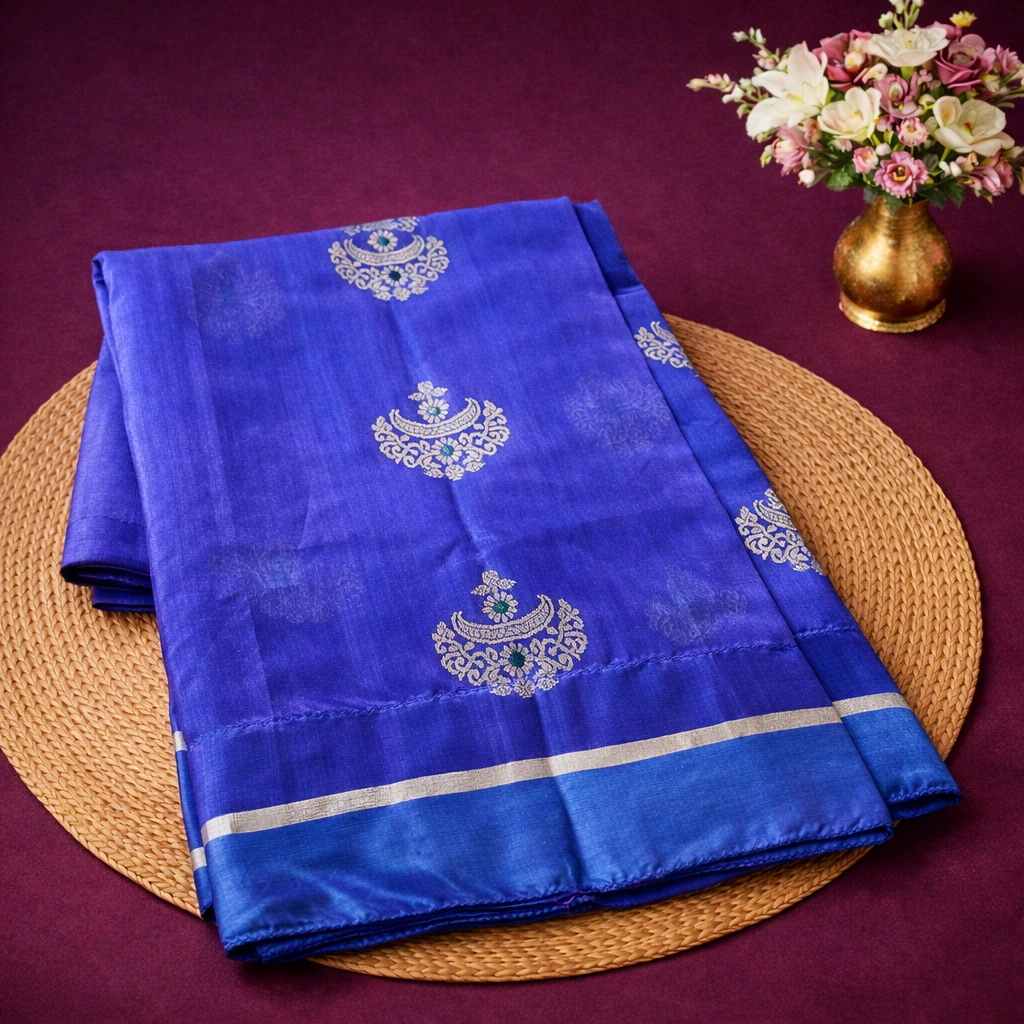
How to Style a Kanjivaram Saree for a Wedding?
To style a Kanjivaram saree for a wedding, start by draping it with crisp pleats and letting the pallu fall gracefully. Choose a blouse in contrasting silk, often with zari sleeves. Complete the look with traditional South Indian jewelry sets, such as long harams and jhumkas, and a classic bun adorned with fresh jasmine flowers. Add subtle makeup and a bindi for an authentic touch. For Indian-American weddings, balance tradition with comfort—opt for lighter jewelry and a clutch for modern elegance.
- Choose a matching or contrast silk blouse with zari or embroidered borders.
- Accessorize with gold temple jewelry, including jhumkas and vaddanam (waist belt) for full bridal effect.
- Adorn hair with jasmine or gajra for a traditional finish.
- Pair with gold-toned sandals or mojaris for comfort and style.
Need more advice? Our saree collection includes expert WhatsApp styling help for US customers.
Featured Sarees for Modern Indian-American Weddings
While Kanjivaram and Banarasi are iconic, contemporary weaves like Chanderi and Mysore silk offer lighter alternatives for American celebrations. Explore these curated picks from Swathi Design:
- Pure Chanderi Pattu Silk Saree – Handwoven Golden Zari (price confirmed on inquiry):
- Feather-light Chanderi silk, handwoven by master artisans in India.
- Rich golden zari and ethereal motifs—ideal for long celebrations or intimate gatherings.
- Pairs beautifully with statement jewelry and heels for a regal effect.
- Pure Chanderi Pattu Silk Saree – Handwoven Indian Wedding & Festive Elegance (price confirmed on inquiry):
- Authentic Chanderi silk, subtle shimmer, and pattu borders for understated luxury.
- Comfortable, airy drape—perfect for indoor or outdoor US weddings.
- Style with a contrasting blouse and minimal accessories for effortless grace.
- Pure Banarasi Kora Tissue Embroidery Saree (price confirmed on inquiry):
- Handwoven in Varanasi, this saree’s tissue silk shimmers with every step.
- Intricate embroidery and lightweight drape make it a favorite for festive US gatherings.
- Pairs well with both traditional and contemporary jewelry—ideal for Diwali or upscale parties.
- Pure Brocade Mysore Silk Saree 120gms (price confirmed on inquiry):
- Meticulously handwoven with 120gms of premium Mysore silk—smooth, buttery texture.
- Vibrant hues and ornate gold zari, perfect for making a statement at any Indian-American celebration.
- Lightweight enough for comfort, but exudes regal Mysore craftsmanship.
Each of these sarees is sourced directly from Indian artisans and comes with flat-rate US shipping, concierge price confirmation, and WhatsApp styling support. For tips on choosing authentic wedding sarees in the USA, see our guide on where to buy authentic Indian wedding sarees in the USA.
FAQ: Kanjivaram vs Banarasi Silk Sarees
Which is more expensive, Kanjivaram or Banarasi?
Kanjivaram sarees are typically more expensive than Banarasi sarees due to their use of pure mulberry silk, real silver zari dipped in gold, and the labor-intensive interlocking weaving technique. Banarasi sarees vary in price—pure silk and handwoven brocade versions can be costly, but blended or machine-made Banarasis are generally more affordable.
Which silk saree is best for a wedding?
For traditional South Indian weddings, Kanjivaram silk sarees are the gold standard, renowned for their grandeur and durability. For North Indian or multi-cultural weddings, Banarasi silk sarees offer elegance, lighter drape, and intricate patterns. Ultimately, the best silk saree for a wedding depends on your cultural heritage, venue, and personal style.
How can you tell a real Kanjivaram from a Banarasi?
- Kanjivaram: Heavy silk with contrasting borders joined using the korvai method; motifs include temple borders, checks, and peacocks. The zari is often thick and raised.
- Banarasi: Lighter silk or tissue, Mughal-inspired floral or Jaal motifs, brocade weaving, and often a more delicate feel. The zari is finer and the pallu may have signature Mughal patterns.
Is a Kanjivaram heavier than a Banarasi?
Yes, a traditional Kanjivaram saree is generally heavier than a Banarasi saree because of its dense mulberry silk yarn and thick real zari borders. Banarasi sarees, especially those in tissue or organza, have a lighter, more fluid drape, making them suitable for longer wear and dancing at US-based celebrations.
Final Verdict: Kanjivaram vs Banarasi Silk Sarees for US Brides
Choosing between Kanjivaram and Banarasi silk sarees comes down to tradition, comfort, and styling preferences. Kanjivarams, with their bold borders and structured drape, suit formal South Indian ceremonies and grand bridal entries. Banarasis, with lighter feel and intricate patterns, are ideal for North Indian weddings, cross-cultural receptions, or anyone seeking comfort without sacrificing elegance.
For those planning an Indian-American wedding, consider climate, event duration, and your movement needs. Many brides opt for Kanjivaram at the ceremony and switch to a Banarasi or Chanderi for the reception. The versatility of the Pure Chanderi Pattu Silk Saree or a Pure Banarasi Kora Tissue Embroidered Saree makes them perfect for such transitions.
Explore more on authentic styles and price guidance in our 2024 buying guide for Banarasi, Chanderi, and Muslin sarees.
Shop the Collection
Ready to find your dream saree? Browse our full collection of Kanjivaram, Banarasi, Chanderi, and Mysore silk sarees—handpicked for Indian-American weddings and celebrations. For tailored advice or to confirm details before purchase, use our WhatsApp concierge or explore the Sarees category for the latest arrivals.
Featured in this guide
- Pure Chanderi Pattu Silk Saree – Handwoven Golden Zari, Elegant Indian Attire
- Pure Chanderi Pattu Silk Saree – Handwoven Indian Wedding & Festive Elegance
- Pure Banarasi Kora Tissue embroidery saree
- Pure Banarasi Kora Tissue Embroidered Saree – Handwoven Indian Silk Elegance
- Pure Brocade Mysore Silk Saree 120gms – Handwoven Indian Wedding & Festive Wear
Part of the Handwoven Silks: Chanderi, Tussar & Raw Mango guide collection.
Related guides
- Elevate Every Occasion: Handcrafted Indian Gowns & Frocks for Modern Celebrations in the USA
- Elevate Every Occasion: Pure Chanderi Pattu Silk Sarees for Indian-Americans in the USA
- Exquisite Russian Crape Silk Saree: Timeless Elegance for Every Occasion
- Luxurious Pure Russian Crape Saree: Timeless Elegance for Every Occasion
- Elevate Your Festive Wardrobe with Exquisite Handwoven Chanderi Sarees and Anarkali Dresses