How to Take Saree Blouse Measurements at Home: Accurate, Tailor-Ready Steps
Get a flawless custom blouse with our step-by-step guide on how to take saree blouse measurements at home. Learn which key measurements matter, common mistakes to avoid, and how to brief your tailor for that perfect fit—whether you’re styling a Kanchipuram silk saree or a Banarasi tissue drape.
Why Accurate Saree Blouse Measurements Matter
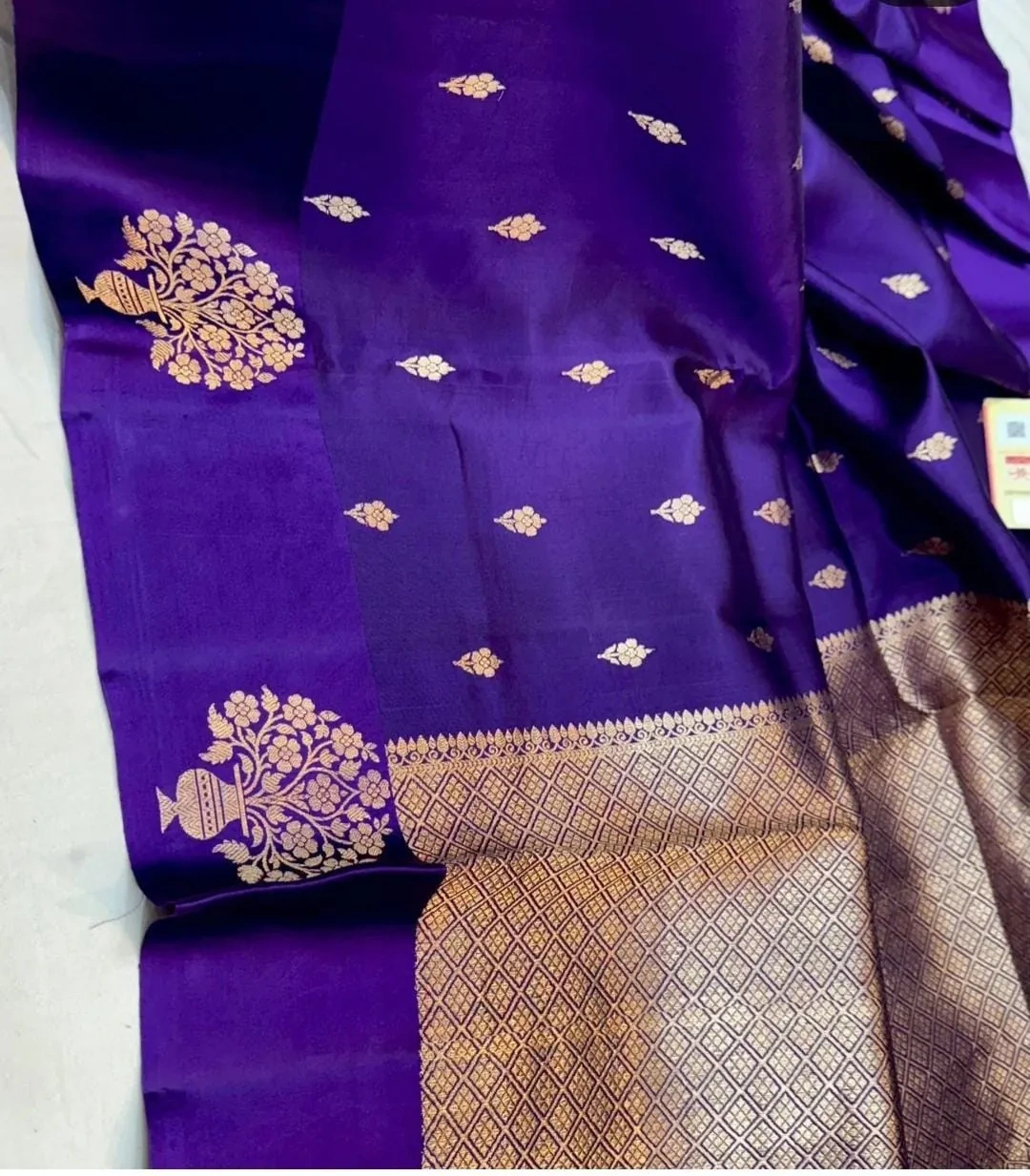
Taking precise saree blouse measurements at home is the foundation of an impeccable ethnic look. An ill-fitting blouse—too tight, too loose, or misaligned at the bust—can undermine even the most luxurious saree, such as a Pure Kanchipuram Silk Bridal Saree with Intricate Zari Work or a Handwoven Banarasi Kora Tissue Saree. Accurate measurements ensure your tailor can craft a blouse that complements your silhouette, supports movement, and highlights the beauty of traditional Indian textiles. For special events, like weddings or milestone celebrations, this attention to detail translates into comfort and confidence throughout the day.
What is a Saree Blouse Measurement Chart?
Definition: A saree blouse measurement chart is a structured form listing all the essential body measurements needed for a tailor to create a custom-fit blouse. It typically includes bust, underbust, waist, shoulder width, sleeve length, and blouse length, among others.
Many Indian-American women find these charts helpful when ordering bespoke blouses online or working with tailors abroad. Standard charts vary, so always refer to your tailor’s specific list and provide measurements in inches (unless specified otherwise).
What You'll Need: Essential Tools
- Flexible measuring tape (inches preferred for most tailors)
- Well-fitted non-padded bra (to wear during measurements)
- Full-length mirror
- Notebook or digital device to record each measurement
- Trusted friend or family member for assistance (optional, but highly recommended)
Pro tip: Avoid wearing thick clothing or sports bras while measuring—thin, everyday undergarments yield the most accurate results for your blouse fit.
Step 1: How to Take Saree Blouse Measurements (List Snippet)
- Bust: Measure around the fullest part of the bust, keeping the tape parallel to the floor.
- Underbust: Wrap the tape snugly just below the bust line.
- Waist: Find your natural waist (the smallest part above your belly button) and measure around it.
- Shoulder Width: Measure from the tip of one shoulder to the other, straight across the back.
- Blouse Length: From the shoulder (at the neck seam) down to where you want the blouse to end, usually just below the ribcage.
- Armhole: Starting at the top of the shoulder, circle around the armpit and back to the starting point.
- Sleeve Length: From the shoulder tip to the point where you want the sleeve to end.
- Sleeve Circumference: Measure around the fullest part of your upper arm.
- Front Neck Depth: From the top of the shoulder down to the desired neckline in front.
- Back Neck Depth: From the top of the shoulder down to the desired back neckline.
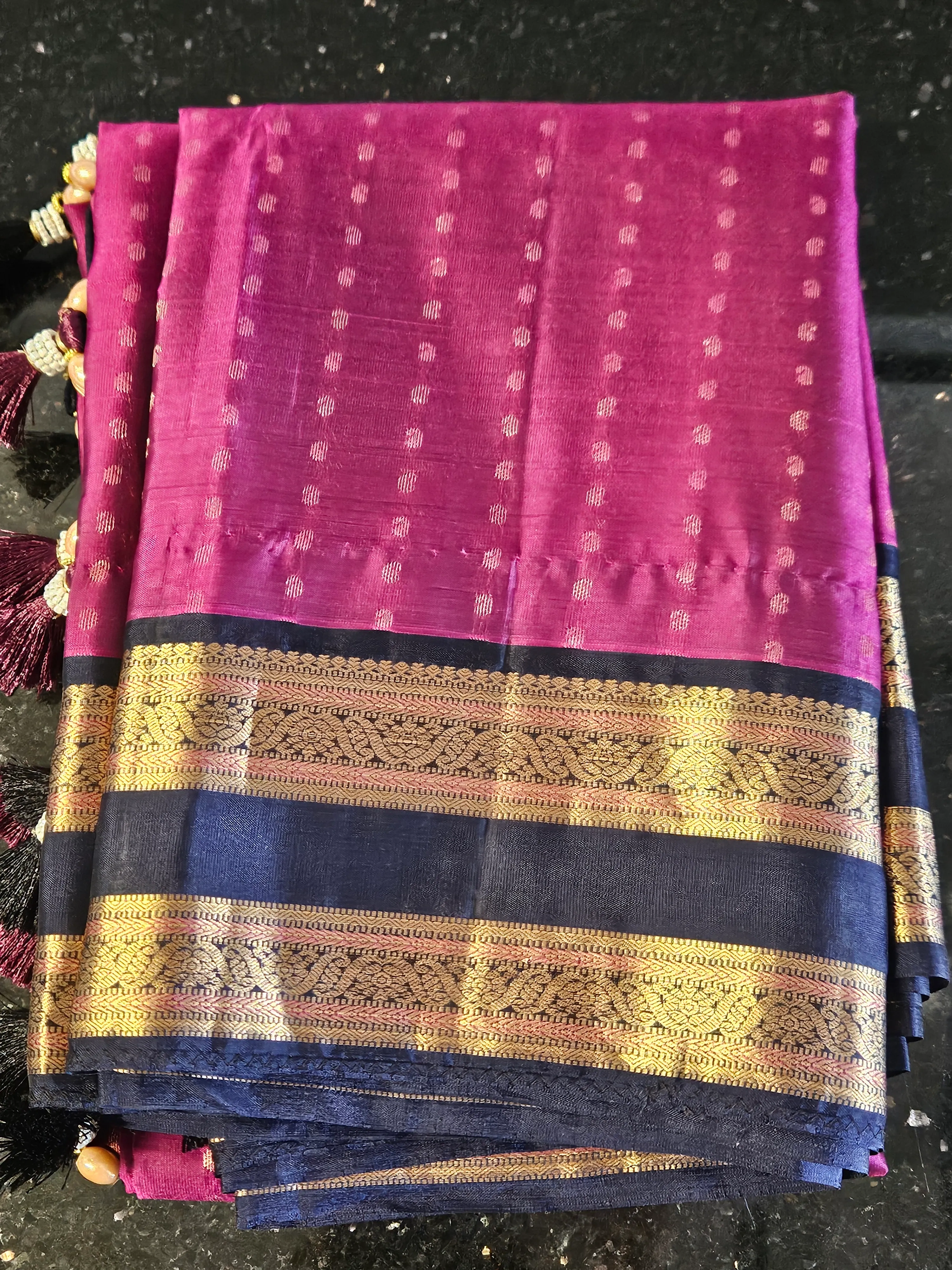
These are the primary measurements for a classic saree blouse. Additional details—like bust darts, opening preferences, or sleeve design—can be noted for personalized styling, essential for ornate pieces such as those paired with the Luxurious Handwoven Raw Mango Pattu Saree.
Step 2: Measure Bust, Waist, and Shoulder Correctly
- Bust: Stand straight with arms relaxed at your sides. Place the measuring tape around the fullest part of your bust, across the nipples, ensuring it’s level and not too tight. Exhale before reading the number for accuracy.
- Waist: Bend sideways to find your natural waist crease. Measure here, not at the hip or lower, for a smooth blouse fit.
- Shoulder: Ask a helper to hold the tape straight across your back, from outer shoulder edge to edge. This prevents tape sag and common fit errors.
Recording these numbers precisely helps prevent gaping, tightness, and uneven seams—issues often seen in ready-made blouses. For heavy, intricately woven sarees such as the Handwoven Chanderi Silk Saree with Golden Zari, a tailored fit ensures comfort and sophistication through hours of celebration.
Step 3: Common Blouse Measurement Mistakes (List Snippet)
- Measuring over bulky or padded bras, which adds excess inches
- Holding the tape too loosely or too tightly—always keep it snug, not constricting
- Estimating instead of measuring, especially for armholes and neck depth
- Not standing straight or adjusting posture mid-measurement
- Mixing up shoulder and sleeve length
- Ignoring personal preferences for neckline or sleeve style
- Forgetting to add ease for comfort, especially for elaborate sarees worn at weddings
Expert tip: Always double-check each number and note preferences for padding, lining, or tie-back strings—details that impact the final fit and comfort of your blouse. Reference our blouse care guide to support longevity after tailoring.
Step 4: How to Fill Out a Blouse Measurement Chart for Your Tailor
Once your measurements are recorded, input them into a standard blouse measurement chart. Include the following fields:
| Measurement | How to Measure | Typical Range (inches) |
|---|---|---|
| Bust | Fullest part, straight across | 32–44+ |
| Underbust | Below bust, snugly | 28–38+ |
| Waist | Natural waist, above navel | 26–38+ |
| Shoulder Width | Tip to tip, straight | 13–17 |
| Blouse Length | Shoulder to hem | 13–17 |
| Sleeve Length | Shoulder to sleeve end | 5–22 |
Include notes on preferred blouse fit (snug, regular, loose), padding, sleeve style, and back opening. Attach a photo of a blouse whose fit you like, if possible. Digital charts or scanned hand-written forms are widely accepted by Indian tailors and online boutiques alike.
Step 5: Briefing Your Tailor for a Custom Blouse Fit
Communication is as important as measurement. Share your completed chart with your tailor, clearly specifying:
- Fabrics involved (e.g., pure silk, Banarasi tissue, Dola silk—each drapes differently and requires unique seam allowances)
- Intended use (wedding, daily wear, festival), which affects how much ease and support to build in
- Design details: back opening (hook, zip, tie), sleeve embellishments, neckline shape, lining preferences
- Any medical or comfort needs (e.g., extra arm mobility, post-pregnancy fit)
For sarees with heavy embroidery or zari, like the Kanchipuram Silk Bridal Saree, request reinforced seams to support the saree’s weight over long hours.
Q: How do you send saree blouse measurements to a tailor?
To send saree blouse measurements to a tailor, fill out a detailed blouse measurement chart, including all required fields (bust, waist, blouse length, armhole, etc.), and specify any design preferences. Share this chart via email, WhatsApp, or your boutique’s online form, along with clear instructions and reference photos if needed.
FAQs on Saree Blouse Measurements
What measurements are needed for a saree blouse?
The essential measurements for a saree blouse are bust, underbust, waist, shoulder width, blouse length, armhole, sleeve length, sleeve circumference, front neck depth, and back neck depth. Some styles may require additional details such as bust point distance or waist-to-shoulder length.
How do you measure your bust for a blouse?
To measure your bust for a blouse, wrap a flexible measuring tape around the fullest part of your chest, keeping the tape level and parallel to the floor. Stand straight, wear your usual undergarments, and ensure the tape is snug but not tight. Record the number in inches.
What is a standard blouse length?
A standard blouse length is typically 13–17 inches, measured from the top of the shoulder (at the neck seam) down to the point where you want the blouse to end, just below the ribcage. Preferences vary depending on saree drape style and personal comfort.
How do you send blouse measurements to a tailor?
Send blouse measurements to your tailor by completing a blouse measurement chart, noting all required dimensions and preferences. Share the chart via email, WhatsApp, or upload it through your boutique’s custom order portal. Attach reference photos for neckline or sleeve style if possible.
Blouse Measurement Tips for Silk, Tissue, and Dola Sarees
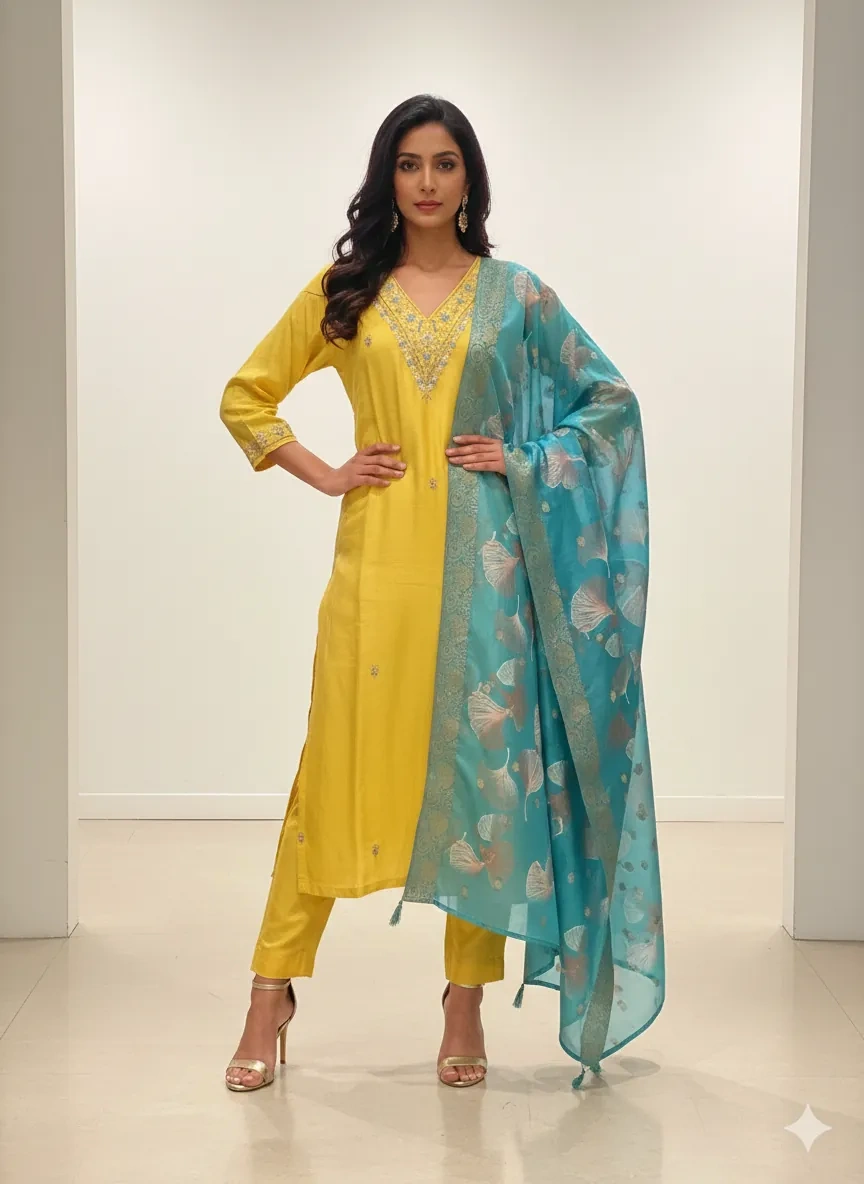
The drape and structure of your blouse should complement the saree fabric. For example, Raw Mango Pattu Silk and Kanchipuram Silk have a heavier, more structured fall, so blouses require a bit more ease at the bust and reinforced seams. Lighter options, like Banarasi Kora Tissue or Chanderi silk, work beautifully with a snugger fit and lighter lining. For Dola silk sets, like the Yellow Dola Silk Kurta Set with Teal Embroidered Dupatta, ensure you request armhole and sleeve measurements for mobility, especially at festive events.
How to Choose Your Blouse Neckline and Sleeve Style
Before sending your chart, decide on your desired neckline (boat, sweetheart, V, round) and sleeve style (cap, elbow, three-quarter, full). For traditional occasions, like South Indian weddings, deeper U or V necklines are popular with Kanchipuram silk sarees, while higher necks and maggam work sleeves suit Banarasi and Chanderi weaves. Note these preferences on your chart and send reference images if possible. Learn more about occasion-specific saree styling in our post on what to wear to a wedding anniversary party.
Quick Reference: Blouse Measurement Checklist
- Bust
- Underbust
- Waist
- Shoulder width
- Blouse length
- Armhole
- Sleeve length
- Sleeve circumference
- Front neck depth
- Back neck depth
- Design notes (neckline, sleeve, opening, padding, lining)
How to Get Help with Blouse Measurements
If you’re unsure about any step, most premium boutiques—like Swathi Design, based in California—offer WhatsApp styling assistance for custom blouse orders. You can also consult your local Indian tailor, or refer to guides from the Handloom Export Promotion Council for blouse fit standards. Remember, a well-briefed tailor and accurate chart are the best investments for saree confidence.
Shop the Collection
Now that you know how to take saree blouse measurements at home, explore sarees that deserve a perfect fit. Discover our saree collection or browse the curated full collection for your next celebration. For personalized advice or blouse stitching, Swathi Design’s team is just a message away—bringing Indian craftsmanship to your door, across the US.
Featured in this guide
- Luxurious Handwoven Raw Mango Pattu Saree for Weddings & Celebrations
- Pure Kanchipuram Silk Bridal Saree with Intricate Zari Work
- Yellow Dola Silk Kurta Set with Teal Embroidered Dupatta for Weddings
- Handwoven Banarasi Kora Tissue Saree with Zari Floral Elegance
- Handwoven Chanderi Silk Saree with Golden Zari – Festive Elegance
Part of the Designer Sarees Online — USA Buying Guides guide collection.
Related guides
- Swathi Designs Boutique: Where to Buy Authentic Indian Wedding Sarees in the USA
- Handwoven Sarees Online USA: Your Essential Guide to Indian Elegance, Artisan Craft, and Modern Styling
- Kanchipuram Silk Saree USA: The Ultimate Guide to Buying Authentic Wedding Sarees Online
- Luxury Handwoven Sarees Online in USA: The Ultimate Buying Guide
- Timeless Chanderi & Silk Suits for US Weddings: The Ultimate Guide to Ethnic Elegance in the USA