How to Iron a Silk Saree Without Damage: Step-by-Step for Banarasi Kora Tissue & Zari
Learn how to iron a silk saree without damage — including the right heat setting, when to use a pressing cloth, and how to protect delicate zari borders from shine marks. Textile specialist Priya Menon explains care steps for Banarasi kora tissue sarees and offers hands-on tips for preserving your saree’s grace, whether for a wedding or festive celebration.
Why Silk Saree Care Begins With Ironing
The most common way silk sarees lose their beauty isn’t a stain or a snag — it’s incorrect ironing. Handwoven Banarasi kora tissue sarees, such as the Elegant Banarasi Kora Tissue Wedding Saree, combine airy silk warp and transparent tissue weft, with zari (metallic thread) woven for shimmer. These precious textiles require specific care to avoid flattening motifs, scorching silk, or leaving permanent shine marks on zari. Knowing how to iron a silk saree without damage is as essential as choosing the right drape for your occasion.
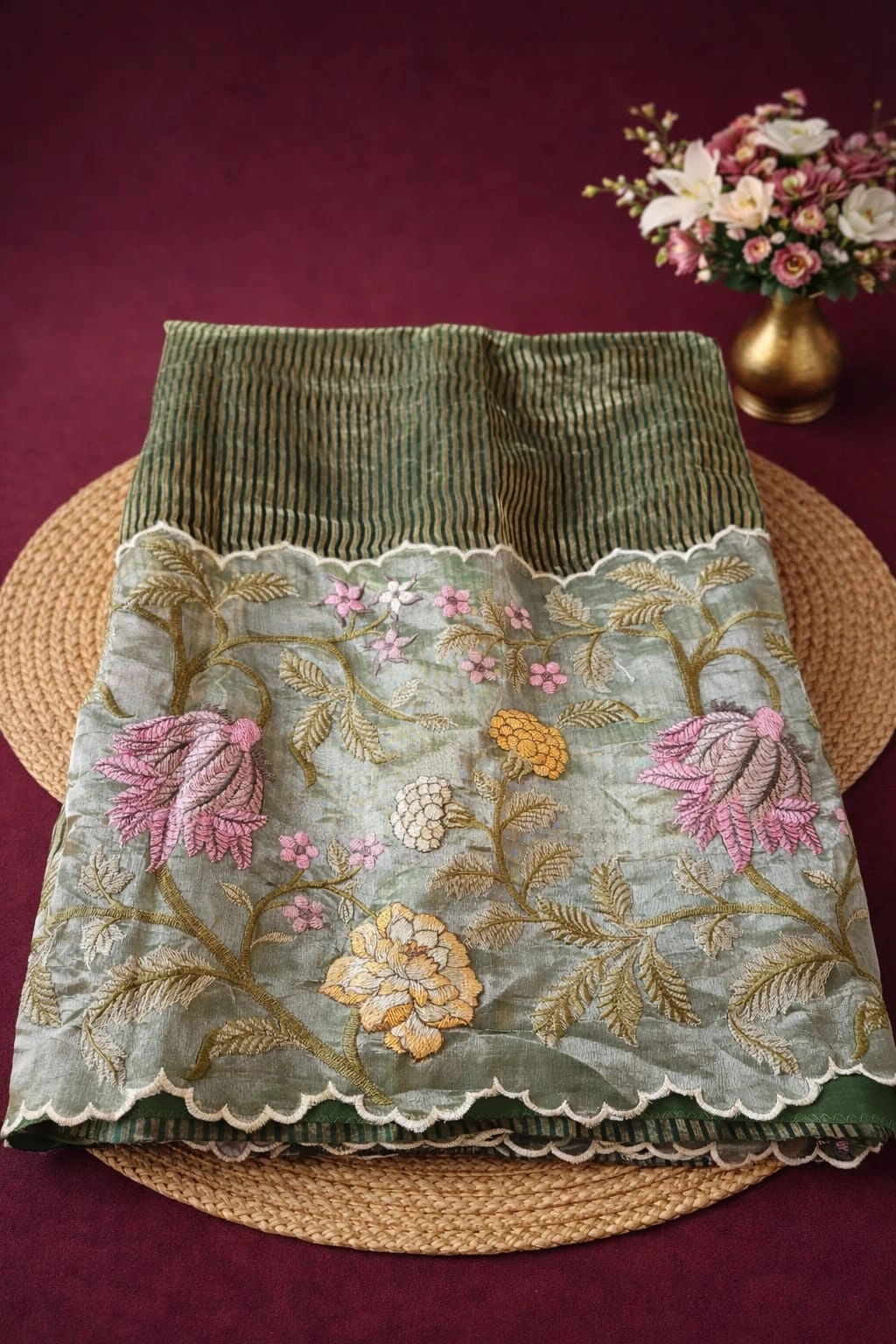
What is Banarasi Kora Tissue?
Banarasi Kora Tissue is a handwoven saree fabric crafted in Varanasi, India, using fine silk warp threads and transparent tissue (often organza or silk blend) weft, typically adorned with metallic zari work. The result is a diaphanous drape with a subtle sheen, prized for weddings and celebrations. This fabric’s open structure and metallic threads make it both lightweight and vulnerable to heat damage, especially during ironing.
Before You Start: What You’ll Need
- Silk-friendly iron (with adjustable temperature, no steam holes that snag)
- Clean, undyed muslin or cotton pressing cloth (to prevent shine marks)
- Padded ironing board or clean flat surface
- Distilled water (if using a steamer)
- Optional: Garment steamer
- Soft, dry muslin for folding/storage
Step 1: Set the Right Silk Iron Heat Setting
Always use the lowest silk setting on your iron (typically 110°C/230°F), which is safe for all pure silk and tissue blends. Avoid higher settings, as Banarasi kora tissue and zari threads can scorch or melt quickly. If your iron lists "silk" on the dial, use that — otherwise, test on a concealed saree corner using a pressing cloth.
Step 2: Always Use a Pressing Cloth
Lay a clean, undyed muslin or cotton cloth over the section you’re ironing. This prevents direct metal-to-fabric contact, avoiding shine marks on silk and safeguarding zari. A pressing cloth also absorbs stray moisture, making it safer for both handloom and machine-made sarees.
Step 3: Iron on the Reverse Side
Turn your saree inside out before ironing. This protects the surface motifs and any raised zari from flattening or developing glossy patches. For Banarasi sarees with heavy brocade borders, iron the body and pallu from the reverse; for very delicate tissue, sandwich the saree between two cloths.
Step 4: Steam vs Dry Iron Silk Saree
Steaming is the gentlest way to remove creases, especially for kora tissue and metallic zari. Hold a garment steamer 4–6 inches from the fabric, moving steadily to avoid water spots. If only a dry iron is available, use the lowest setting and never linger in one spot. For deep creases, lightly mist the pressing cloth with distilled water before ironing — never spray the saree directly.
Step 5: How to Iron Over Zari Borders Safely
Banarasi sarees often feature ornate zari borders and pallu. To avoid shine marks:
- Lay a double-thickness pressing cloth over zari areas.
- Use only the tip of the iron, moving quickly without pressure.
- Never iron directly on zari — metallic threads can tarnish or melt, especially with gold or silver-plated real zari.
- If possible, use a steamer specifically for the borders.
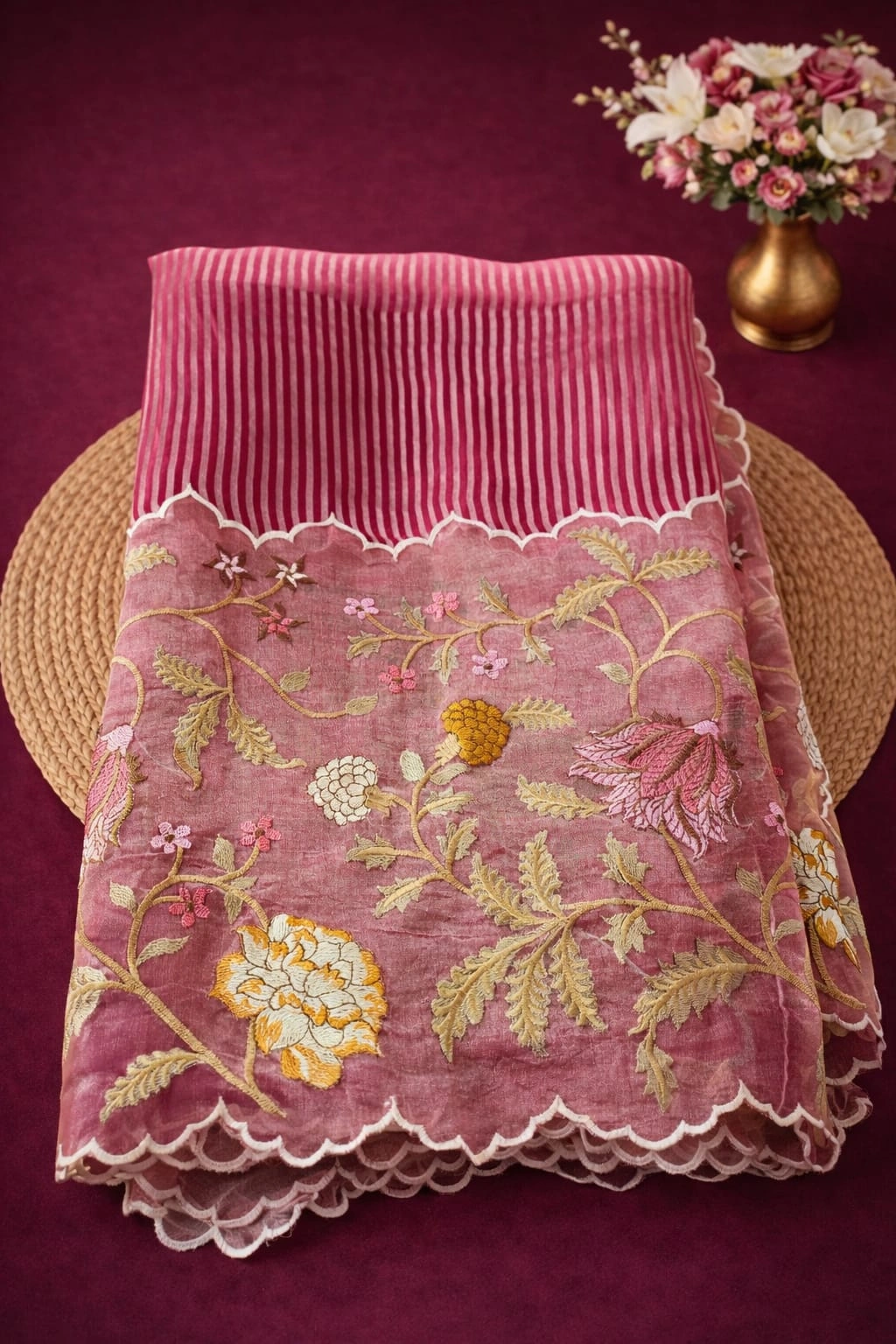
Step 6: Cooling and Folding
Let the saree cool completely on the board before folding. This prevents new creases from forming. Fold along original lines, alternating direction to avoid permanent creases. For Banarasi kora tissue, wrap in soft muslin and store flat in a cool, dry cupboard, away from sunlight and humidity.
How to Spot Authentic Banarasi Kora Tissue Sarees
Authentic Banarasi kora tissue sarees, like the Exquisite Pure Banarasi Kora Tissue Saree - Golden Elegance, are handwoven in Varanasi using pit looms. Look for:
- Irregularities in motifs (slight asymmetry is a handloom hallmark)
- Soft, unfinished floats at the pallu’s reverse (not glue-fixed as in powerloom)
- Real zari, which has a duller, subtler shine compared to synthetic “plastic” zari
- GI tag label or retailer certification, especially for high-end sarees
A practical test: gently scratch the zari motif with your fingernail on a concealed pallu area. Real zari will not flake or peel; synthetic may show white threads or breakage.
How to Iron a Silk Saree Without Damage?
To iron a silk saree without damage, use a low heat silk setting (around 110°C/230°F), always place a clean pressing cloth between the iron and the fabric, and work on the reverse side of the saree. For areas with zari, use a double-thickness cloth and avoid direct contact. If available, use a garment steamer for the gentlest crease removal. Let the saree cool before folding and storing in muslin.
- Set iron to lowest silk heat setting
- Lay pressing cloth over fabric
- Iron on reverse side only
- Use double cloth for zari
- Steam if possible for delicate tissue
- Cool before folding and storing
Iron vs Steam on Silk Sarees: Comparison Table
| Method | Best For | Risks | Tip |
|---|---|---|---|
| Dry Iron | Creased body/pallu | Shine marks, scorching | Always use pressing cloth |
| Steamer | Kora tissue, zari borders | Water spots if too close | Hold 4–6” away, keep moving |
| Iron with steam | Stubborn creases | Drips, possible water stains | Test on pressing cloth first |
Banarasi Kora Tissue Sarees: Why They Matter
Banarasi kora tissue sarees are not just festive attire — they are a living record of North India’s weaving heritage. Varanasi’s weavers, many from the Ansari and Hindu Karigar communities, have refined the pit loom technique over generations, producing sarees that balance strength and translucence. The Exquisite Pure Banarasi Kora Tissue Saree for Weddings & Celebrations features classic gold and silver tones, ideal for US-based Indian-American celebrations where tradition meets modern style. Each saree reflects dozens of hours of handwork — from drawing the warp to weaving intricate motifs with real zari sourced from Surat or Kolkata.
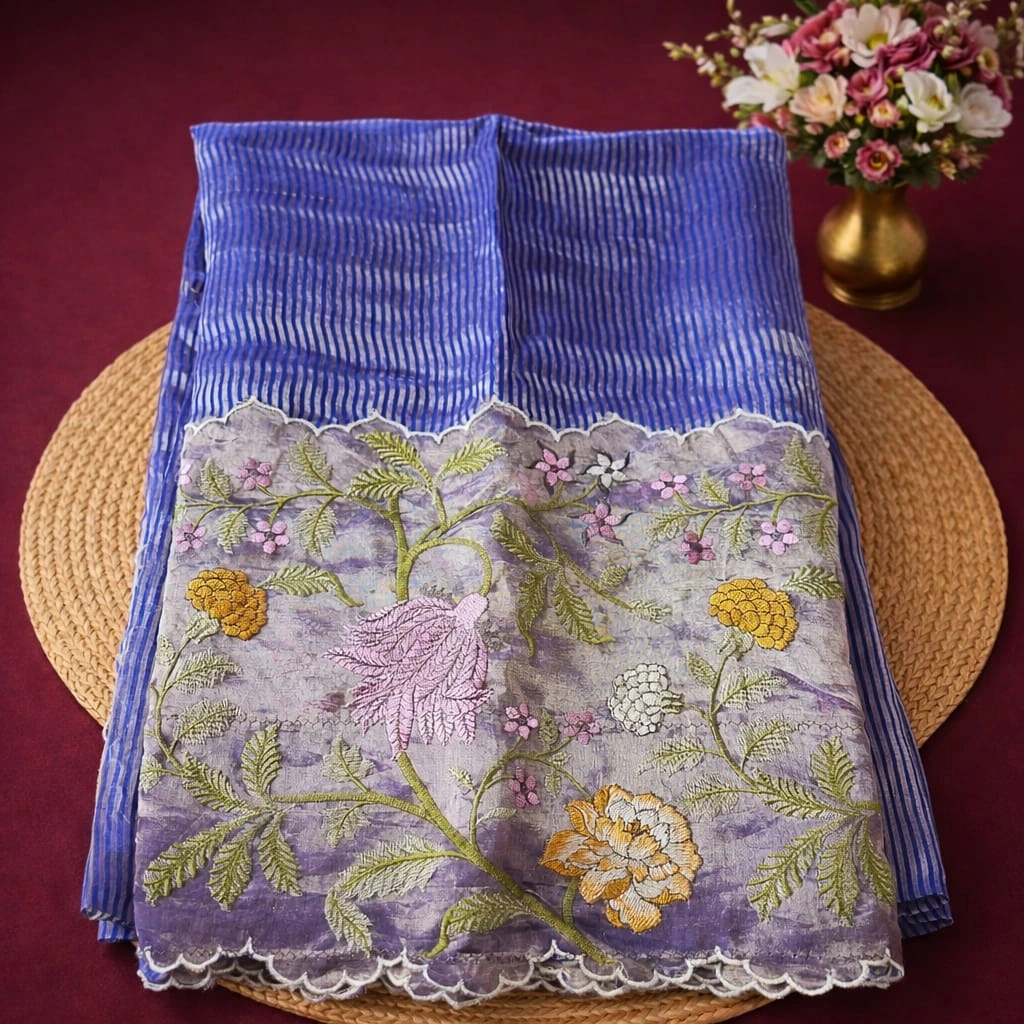
How to Style Banarasi Kora Tissue Sarees for Weddings & Festivals
For grand occasions, pair your Banarasi kora tissue saree with antique gold or uncut diamond jewelry. Choose a tailored blouse in matching or contrast silk for structure. For evening events, a sleek minaudière or metallic clutch complements the subtle shimmer of the saree. Kora tissue drapes beautifully in both classic Nivi and modern seedha pallu styles; let the pallu flow to highlight the zari work. For more occasion-specific styling, see our guide on what to wear to an engagement ceremony.
FAQ: Ironing and Caring for Silk Sarees
What heat setting is safe for ironing silk?
Always use your iron’s “silk” or “low” setting, typically around 110°C/230°F. This protects both pure silk and tissue from scorching. Test the heat on a hidden area and always use a pressing cloth for added safety.
Should you iron a silk saree on the front or back?
Iron silk sarees on the reverse (back) side to prevent shine marks and to protect brocade or zari motifs. For extra delicate tissue or pallu, sandwich the saree between two layers of muslin while ironing.
Can you steam a silk saree instead of ironing it?
Yes, steaming is safer for most silk sarees, especially Banarasi kora tissue. Hold a garment steamer 4–6 inches away to gently relax creases without risking shine or scorching. Avoid direct water contact to prevent spotting.
How do you iron over zari work safely?
To iron over zari work safely, use a double-thickness pressing cloth and the lowest heat setting. Avoid direct iron contact with metallic threads. If possible, use a steamer for zari borders and pallu to maintain their texture and shine.
Quick Reference: How to Iron a Silk Saree Without Damage
- Set iron to “silk” or lowest heat (110°C/230°F)
- Use a clean muslin pressing cloth
- Iron on reverse side only
- Double cloth for zari borders/pallu
- Use steamer for delicate tissue/zari
- Cool fully before folding in muslin
Why Invest in Handloom Banarasi Kora Tissue Sarees?
Handloom Banarasi kora tissue sarees offer a unique blend of heritage and versatility. The airy silk-tissue weave is ideal for US climates and formal celebrations, draping lightly while remaining regal. Unlike powerloom imitations, handwoven options like those at Swathi Design feature authentic zari, subtle motif variations, and a GI tag guarantee. Proper care — especially careful ironing — protects both the artistry and longevity of these pieces, allowing them to be cherished or passed on as family heirlooms.
Shop the Collection
Ready to celebrate your heritage in style? Explore the full range of handwoven sarees at Swathi Design, including the Elegant Banarasi Kora Tissue Wedding Saree, Exquisite Pure Banarasi Kora Tissue Saree - Golden Elegance, and Exquisite Pure Banarasi Kora Tissue Saree for Weddings & Celebrations. For more care tips and styling inspiration, browse our sarees collection or consult with Swathi Design’s US-based team for personalized advice and styling support via WhatsApp.
Featured in this guide
Part of the Kanjivaram & Banarasi Silk Sarees guide collection.
Related guides
- Timeless Elegance: Handwoven Chanderi & Banarasi Silk Sarees for Every Special Occasion
- Celebrate Timeless Elegance with Luxurious Raw Mango Silk and Banarasi Sarees
- Timeless Elegance Redefined: The Latest Handwoven Banarasi & Kanchipuram Sarees for Every Celebration
- Discover the Timeless Beauty of Banarasi and Mangalagiri Silk Sarees
- Timeless Elegance: Explore the Artistry of Pure Zari and Banarasi Tissue Sarees