How to Care for Saree Blouses: Washing, Sweat Stains & Embellished Necklines
Blouses wear out long before sarees do—especially when dealing with sweat stains, delicate zari work, and padded cups. This guide explains how to care for your saree blouses, prevent shrinkage, treat stains, and safely store even the most intricate Banarasi pieces, ensuring each blouse remains as beautiful as the day you wore it.
How to Care for Saree Blouse: The Essential Answer
Proper blouse care goes beyond a basic wash. To preserve shape, color, and embellishments, always hand wash blouses in cold water with mild detergent, treat sweat stains quickly, and store padded or embellished necklines flat or rolled. This approach prevents shrinkage, fading, and damage so your blouses remain vibrant and comfortable alongside your statement sarees.
Before You Start: Understanding Blouse Fabrics & Construction
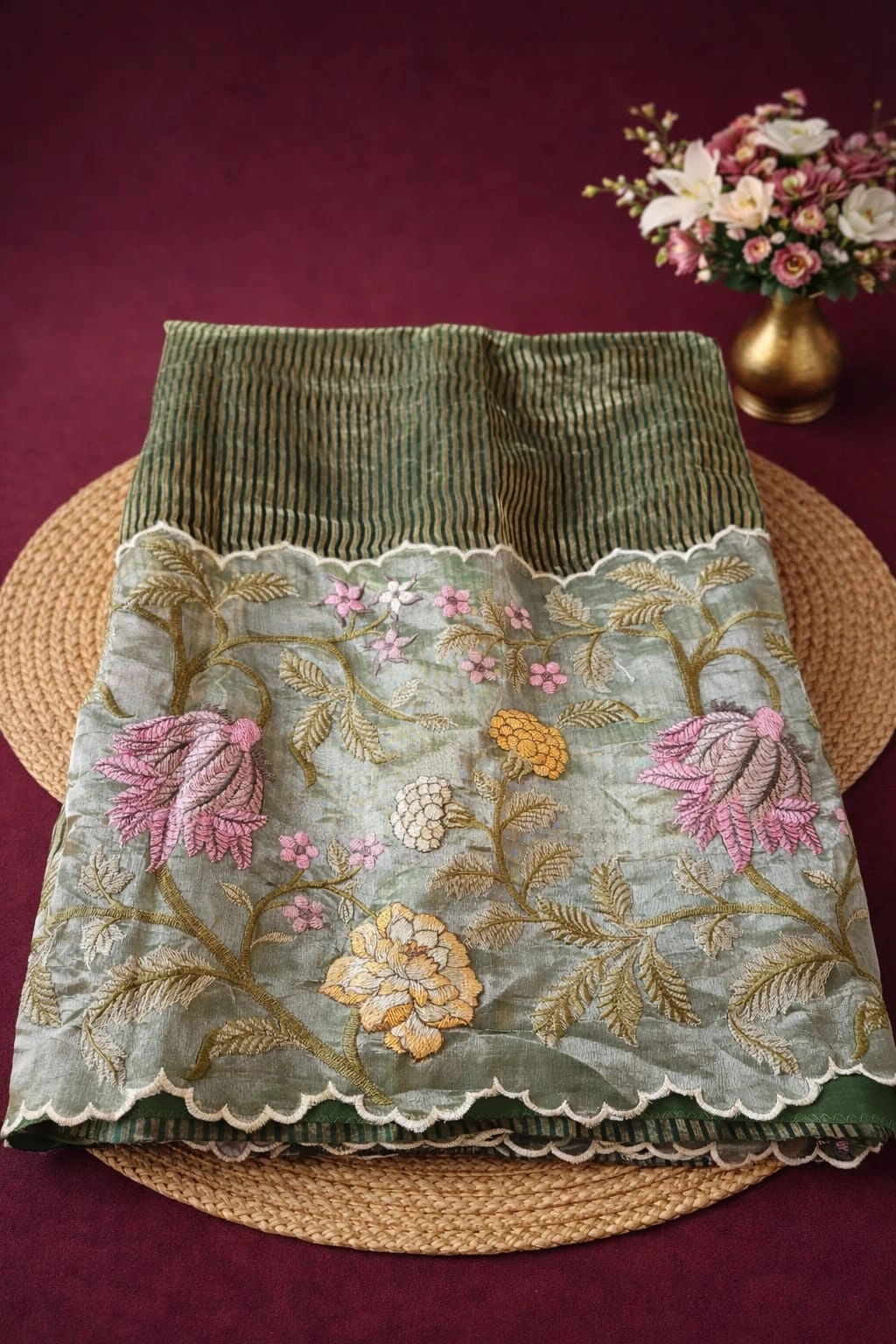
Unlike the saree itself, a blouse faces more friction, perspiration, and stretching, especially in the underarm and neckline areas. Banarasi saree blouses, such as those paired with the Elegant Banarasi Kora Tissue Wedding Saree, often feature kora tissue or silk blends, intricate zari, lining, and sometimes padded cups for support. Understanding the fabric composition—whether it's pure silk, cotton lining, or synthetic padding—guides your care method.
Key blouse elements to consider:
- Outer fabric (kora tissue, silk, cotton, blends)
- Lining (cotton or synthetic)
- Embellishments (zari, embroidery, sequins, beads)
- Padded cups (foam or fabric)
- Closures (hook-and-eye, zippers, strings)
Step 1: Check the Label and Test for Colorfastness
Always look for care instructions sewn into the blouse lining or provided by the boutique. Banarasi blouses rarely carry standardized tags, so perform a colorfastness test:
- Dab a damp white cloth on a hidden seam (like the underarm or inner hem).
- If color transfers, dry clean only. If not, gentle hand wash is possible for non-zari areas.
Handloom Banarasi blouses, as found with Exquisite Pure Banarasi Kora Tissue Saree - Golden Elegance, often use real zari (metallic thread) that may tarnish in water. When in doubt, err on the side of dry cleaning for all-over zari or heavily embellished pieces.
Step 2: How to Wash a Saree Blouse Without Shrinking
To prevent shrinkage and preserve fit, follow these steps for hand washing blouses without padded cups or extensive embellishments:
- Fill a clean basin with cold water; avoid hot water, which shrinks most linings.
- Add a teaspoon of mild, color-safe detergent (baby shampoo works for silks).
- Turn the blouse inside out to protect surface zari and embroidery.
- Submerge and gently agitate for 2–3 minutes. Do not wring or twist.
- Rinse in cold water until soap runs clear.
- Lay flat on a clean towel, shape gently, and roll up to blot excess water.
- Reshape and air dry flat, away from direct sunlight to prevent fading.
For padded or structured blouses, avoid soaking altogether; gently spot clean or dry clean to maintain shape.
How to Remove Sweat Stains from a Blouse
Blouse sweat stains are a persistent issue, especially where lining meets the underarm. Blouse sweat stains can be minimized or removed by spot-treating with a mixture of equal parts white vinegar and cold water, gently dabbing the affected area before washing. Avoid scrubbing, which can damage delicate fabrics or zari work. For persistent stains, use a paste of baking soda and water, let sit for 15 minutes, then rinse thoroughly. Always test on a hidden area first.
- Mix equal parts white vinegar and cold water.
- Dab the mixture onto the stain using a soft cloth.
- Let sit for 10–15 minutes, then rinse with cold water.
- For stubborn stains, apply a small amount of baking soda paste, wait, then rinse.
For lined or padded blouses, avoid soaking the padding; instead, use minimal moisture and allow to air dry thoroughly.
Step 3: Caring for Padded Cups and Lined Blouses
Padded cup care is crucial for maintaining both shape and hygiene. Foam or fabric padding in blouses, common with wedding sarees like the Exquisite Pure Banarasi Kora Tissue Saree for Weddings & Celebrations, should never be machine washed or soaked:
- Spot clean only, using a damp cloth and mild detergent.
- Allow to air dry, shaping padding as needed.
- Store flat or gently rolled, never folded sharply at the cups.
- For lined blouses, avoid bleach or harsh chemicals which can break down fibers and adhesives.
If your padded blouse develops odor or persistent sweat stains, consult a trusted dry cleaner with experience in Indian textiles. Some artisans include removable padding—if so, detach and hand wash the fabric cover only.
How to Store Embellished or Zari Neckline Blouses
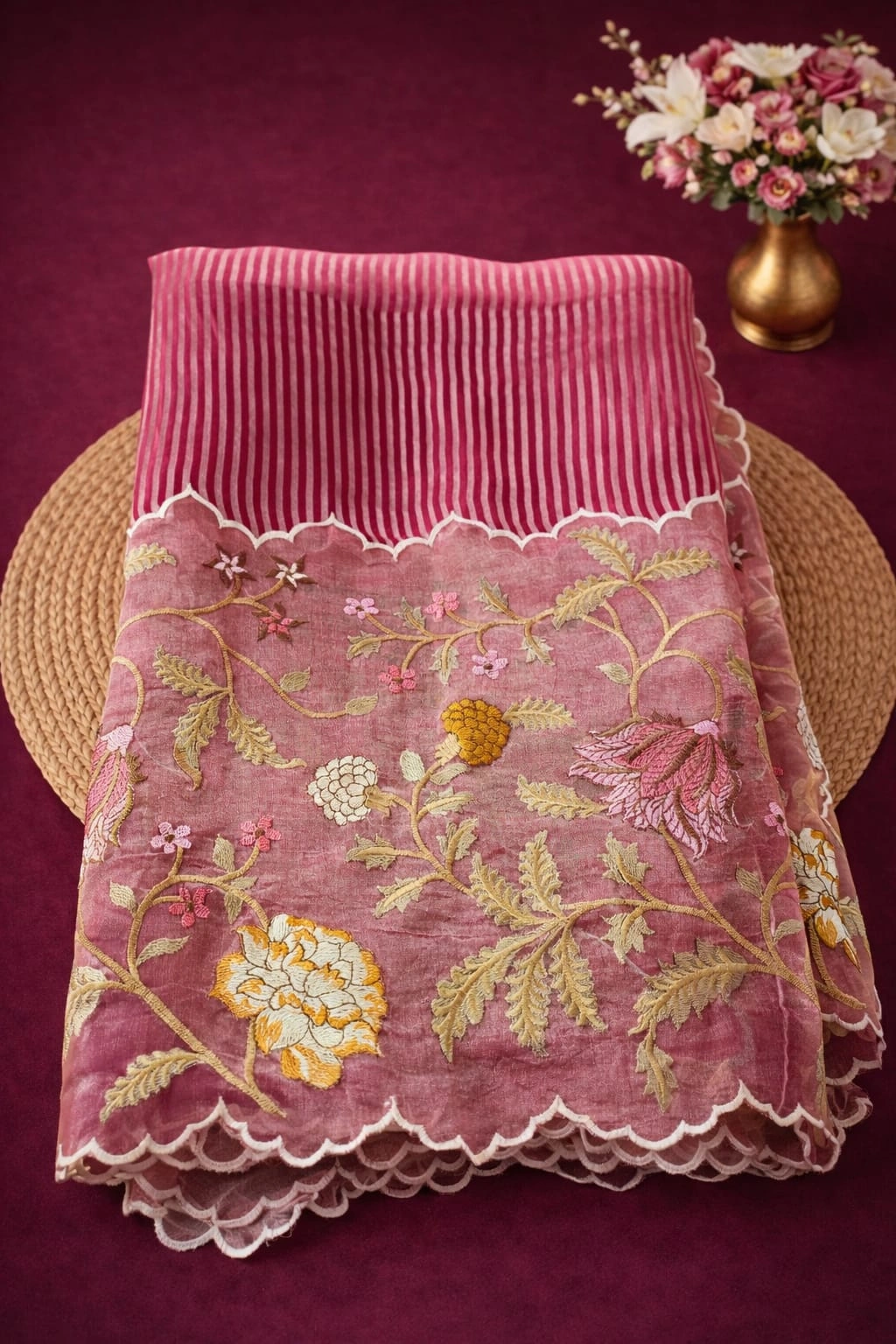
Embellished neckline care is essential for blouses paired with Banarasi sarees, which often feature metallic zari, beadwork, or embroidery at the collar and sleeves. Embellished neckline blouses should be stored flat between layers of tissue paper or soft muslin to prevent snagging and tarnish. Never hang heavily embellished blouses, as this can stretch the fabric and pull down the work.
- Lay blouses flat in a drawer, using acid-free tissue as a buffer between pieces.
- For blouses with hooks or zippers, fasten closures to prevent snagging.
- If folding, pad sharp creases with tissue or a soft cloth to avoid imprint marks on the zari.
- For extra protection, store in a breathable muslin pouch—never plastic, which traps moisture and accelerates tarnishing.
Blouse Care Comparison Table
| Blouse Type | Best Wash Method | Storage Tip | Common Issue |
|---|---|---|---|
| Plain cotton/lining | Gentle hand wash | Fold flat | Shrinkage |
| Padded cup | Spot clean only | Store flat/rolled | Misshaping |
| Zari/embellished | Dry clean or spot clean | Layered with tissue | Tarnish/snags |
Step 4: How to Store Saree Blouses Long-Term
Storing blouses correctly is as important as washing. For blouses made to match heritage sarees from Swathi Design's saree collection, long-term storage prevents fabric yellowing, oxidation of zari, and insect damage. Here’s how:
- Rotate blouses every 6 months to avoid permanent creasing.
- Never store in plastic; use muslin or cotton cloth pouches to breathe.
- Insert silica gel packets (wrapped in muslin) to control humidity.
- Keep away from direct sunlight and perfumes, which fade color and degrade fibers.
For travel-specific advice, read our guide on how to pack a saree for travel—the same tissue layering method protects delicate necklines in your luggage.
How to Spot an Authentic Handloom Banarasi Blouse
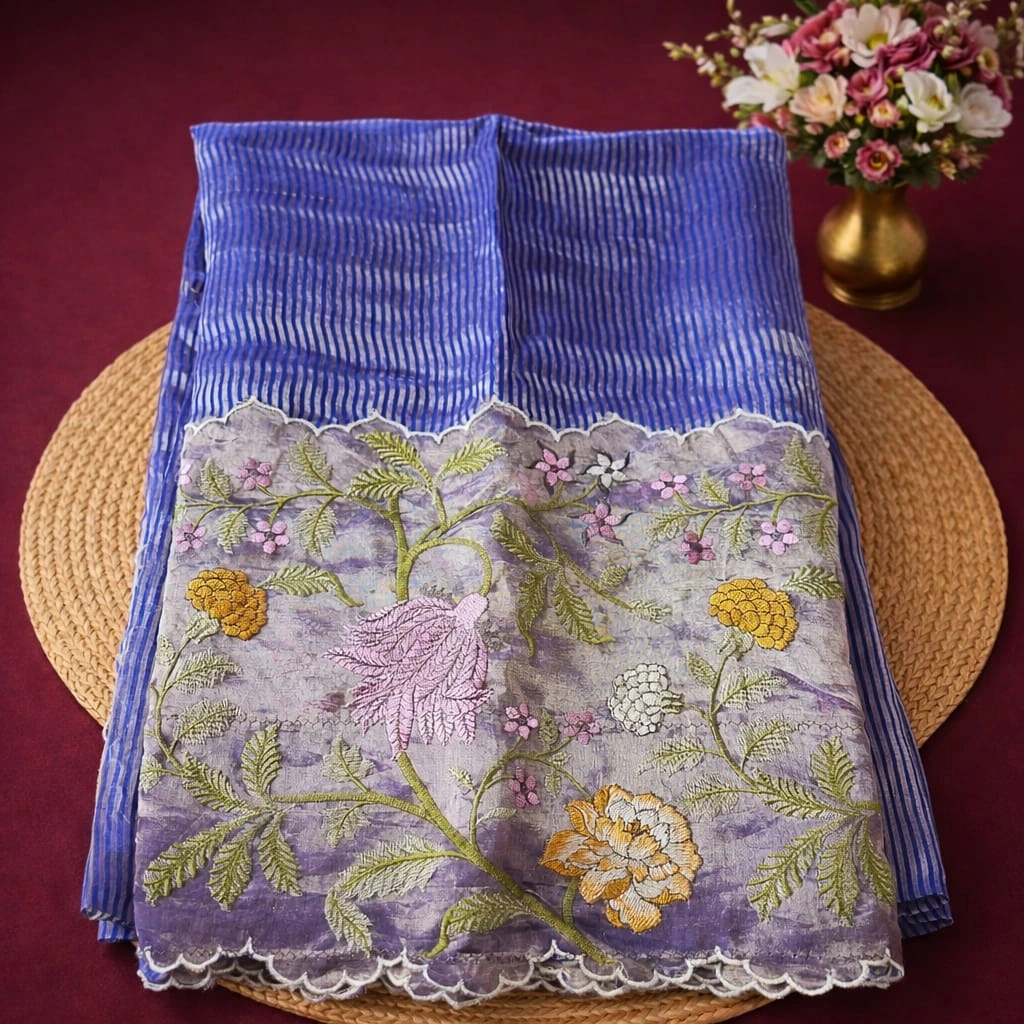
Banarasi blouses are valued for their handloom origins, especially those woven in Varanasi using pit looms. Authentic Banarasi blouses feature irregularities on the reverse (small thread floats, not perfectly uniform), a soft drape, and pure metallic zari that cools to the touch. If the blouse shines but feels plasticky or lacks the weight of real zari, it may be power-loom or synthetic. Always purchase from trusted sources like Swathi Design, which works directly with artisan weavers in India.
Frequently Asked Questions: How to Care for Saree Blouse
Q1: How do you wash a saree blouse without shrinking it?
Wash saree blouses without shrinking by using cold water and a mild detergent, gently hand washing without soaking for too long, and reshaping while drying flat. Avoid wringing and direct sunlight, which can cause shrinkage and fading, especially for cotton-lined and silk Banarasi blouses.
Q2: How do you remove sweat stains from a blouse?
Remove sweat stains by dabbing a mix of equal parts white vinegar and cold water on the stain, letting it sit for 10–15 minutes, then rinsing with cold water. For stubborn stains, apply a baking soda paste and rinse gently. Always test on a hidden area to avoid damage to zari or embellishments.
Q3: Can you machine wash a saree blouse?
Machine washing is not recommended for saree blouses, especially those with zari, padding, or delicate embroidery. The agitation can cause shrinkage, fraying, or loss of embellishments. Always hand wash or dry clean to preserve structure and color.
Q4: How do you store padded and embellished blouses?
Store padded and embellished blouses flat or gently rolled, layered with tissue or soft muslin to prevent creasing and snags. Avoid hanging, as this can distort shape or pull on necklines. Fasten hooks and zippers before storage, and keep away from sunlight and moisture.
Why Invest in Good Blouse Care?
Good blouse care extends the life of every saree ensemble, preserving both daily-wear and heirloom pieces. Blouses are more exposed to perspiration, friction, and frequent laundering than sarees and require tailored care to ensure comfort and longevity. For Banarasi blouses crafted to match investment sarees from Varanasi artisans, proper care maintains fabric quality, zari sheen, and fit across seasons and occasions.
Shop the Collection
Ready to pair a beautifully maintained blouse with an artisan saree? Explore signature Banarasi pieces like the Elegant Banarasi Kora Tissue Wedding Saree or Exquisite Pure Banarasi Kora Tissue Saree - Golden Elegance at Swathi Design. Or browse our full collection for more handpicked sarees and blouses sourced from India’s finest weavers.
Featured in this guide
Part of the Handwoven Silks: Chanderi, Tussar & Raw Mango guide collection.
Related guides
- Elevate Every Occasion: Handcrafted Indian Gowns & Frocks for Modern Celebrations in the USA
- Elevate Every Occasion: Pure Chanderi Pattu Silk Sarees for Indian-Americans in the USA
- Exquisite Russian Crape Silk Saree: Timeless Elegance for Every Occasion
- Luxurious Pure Russian Crape Saree: Timeless Elegance for Every Occasion
- Elevate Your Festive Wardrobe with Exquisite Handwoven Chanderi Sarees and Anarkali Dresses